简体中文
简体中文 Tiếng Việt
As a DG service provider, Vantage Logistics recognizes that even a small mistake can lead to serious consequences for people, property, and the environment. The WAN HAI 503 incident highlights the urgency of rigorous control and accountability across the entire supply chain.
- The Singapore-flagged container ship WAN HAI 503 was en route from Colombo (Sri Lanka) to Mumbai (India) when it caught fire in the morning of June 9, 2025, approximately 80–144 km off the Kerala coast.
- The vessel carried 1,754 containers, including 143 DG containers containing diesel, alcohol, nitrocellulose, and several other hazardous chemicals, some of which were not properly declared.
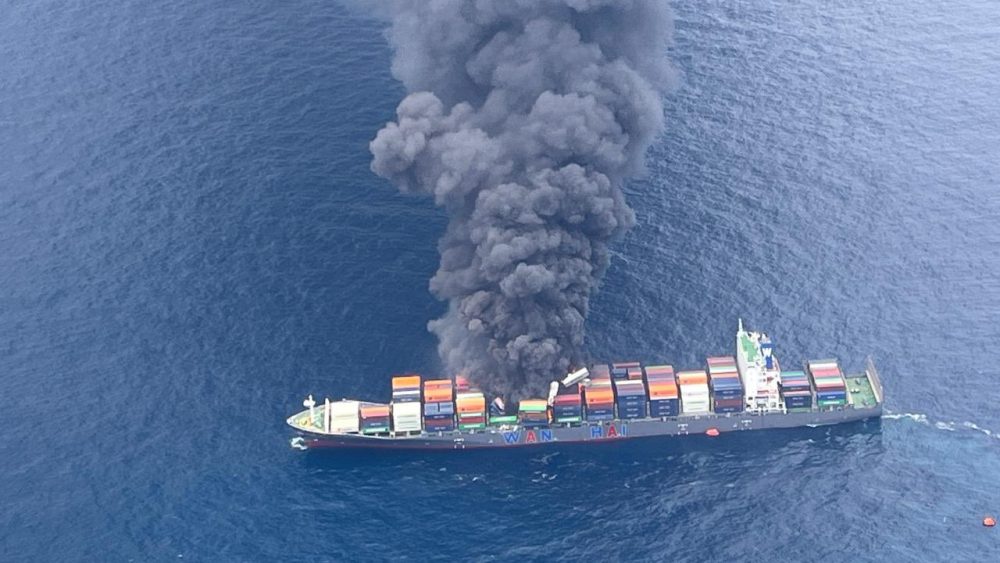
This incident is not isolated in the maritime industry, but it underscores the severe consequences of misdeclaration, improper packaging, and lack of operational control in the handling of dangerous goods.
2. What Are Dangerous Goods (DG)?
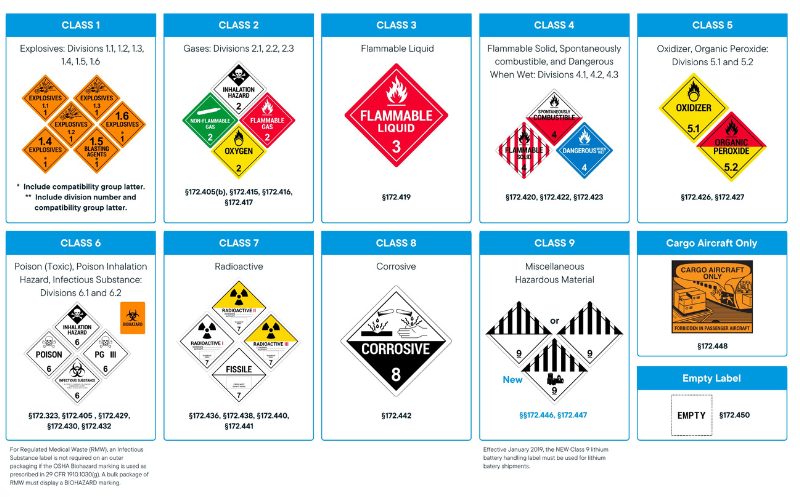
Dangerous Goods refer to materials or substances that pose a risk to human health, property, or the environment during transport. According to the IMDG Code, DG are categorized into nine classes:
(1) Explosives
(2) Gases (flammable/non-flammable)
(3) Flammable liquids
(4) Flammable solids
(5) Oxidizing substances and organic peroxides
(6) Toxic and infectious substances
(7) Radioactive materials
(8) Corrosive substances
(9) Miscellaneous dangerous substances and articles
3. Key Risks in DG Transportation
Transporting DG cargo carries significant risks if not properly controlled:
- Fire & Explosion Hazards:
Exposure to high temperatures, mechanical impact, or chemical reactions can trigger fires or explosions. The WAN HAI 503 fire, reportedly due to flammable chemicals, illustrates these dangers vividly. - Incorrect or Incomplete Declarations:
Many shippers, to cut costs or due to lack of awareness, deliberately misdeclare UN codes, DG classes, or omit DG status altogether. This compromises handling, storage, and emergency response at sea ports and on board. Improper declaration often leads to non-compliant packaging and stowage, a leading cause of maritime DG incidents. - Environmental Risks:
Chemical spills can severely damage marine ecosystems, impact local fisheries, and harm tourism. This is one of the most serious consequences of DG-related incidents. - Financial and Legal Liabilities:
Stakeholders may face massive compensation claims, litigation, increased insurance costs, and reputation damage. Shippers, consignees, and forwarders can all be held liable for violations.
4. Lessons from the WAN HAI 503 Incident
This case reinforces several critical lessons for the logistics and shipping industry:
Common Root Causes:
- Misdeclaration or non-declaration of DG cargo
- Non-compliant packaging and sealing of containers
- Lack of supervision during handling and stowage
Consequences:
- Substantial financial loss for carriers, shippers, and insurers
- Disruption to international supply chains
- Damage to the credibility of involved parties.
5. Risk Prevention & Control Measures
Minimizing DG-related risks requires strict adherence to standards and seamless coordination among all parties involved:
- Strict Compliance with IMDG Code:
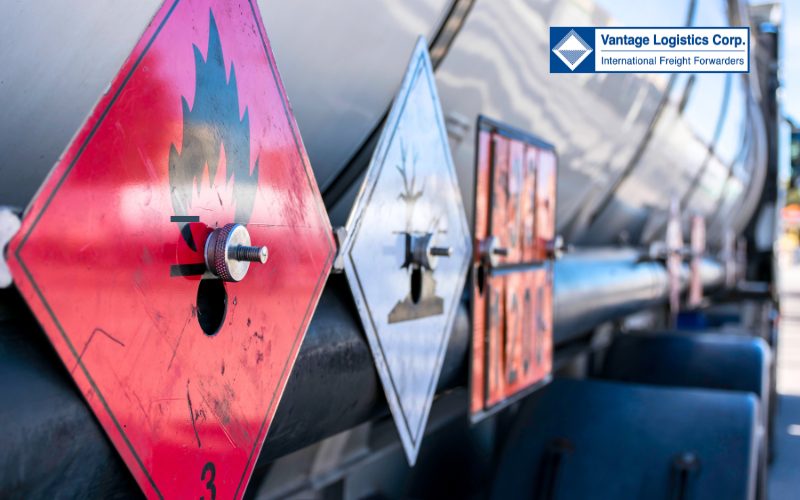
Accurate declaration of UN Numbers, DG class codes, and cargo details. Proper use of standard international hazard labels. - Upstream Control (Shippers’ Responsibility):
DG-compliant packaging tailored to each class. Independent inspection and verification by certified surveyors. - Training & Certification for Personnel:
All personnel involved in logistics, transportation, and port operations must undergo regular training and hold valid certifications in accordance with international regulations governing the handling, transportation, and management of Dangerous Goods (DG).l. - Technology Integration:
Temperature and leakage sensors to monitor DG container conditions.
AI-powered risk detection systems for early fire/explosion alerts. - Comprehensive Insurance:
Shippers and carriers must hold adequate insurance coverage for DG cargo to mitigate potential financial exposure.
Vantage Logistics’ Commitment to DG Cargo Transportation Safety
As a DG service provider, Vantage Logistics recognizes that even a small mistake can lead to serious consequences for people, property, and the environment. The WAN HAI 503 incident highlights the urgency of rigorous control and accountability across the entire supply chain.
At Vantage, safety is our operational foundation. We take full responsibility across every DG process — collection, classification, packaging, labeling, customs declaration, loading/unloading, warehousing, and transportation — all in strict compliance with the IMDG Code and global standards.
We oversee the end-to-end DG logistics chain, including:
- Container management by hazard class
- Multimodal transport coordination (FCL, LCL, Sea-Air)
- Cargo risk assessments & fire safety advisory
- Emergency support in collaboration with international salvage partners
We understand: even when subcontracted, if misdeclaration or handling errors originate from our scope, Vantage remains accountable. Therefore, we maintain rigorous internal audits, contract controls, and compliance monitoring.
We are committed to:
- Standardizing DG handling procedures to international norms
- Continuous training for our DG-dedicated teams
- Leveraging digital tools to monitor and manage risks
- Partnering with clients throughout the DG shipping journey