Author Archives: adminnam

Home |

RESOURCE

Blog

VANTAGE LOGISTICS – STRONG IN SPIRIT, CONNECTED WITH CARE, OVERCOMING THE STORM TOGETHER

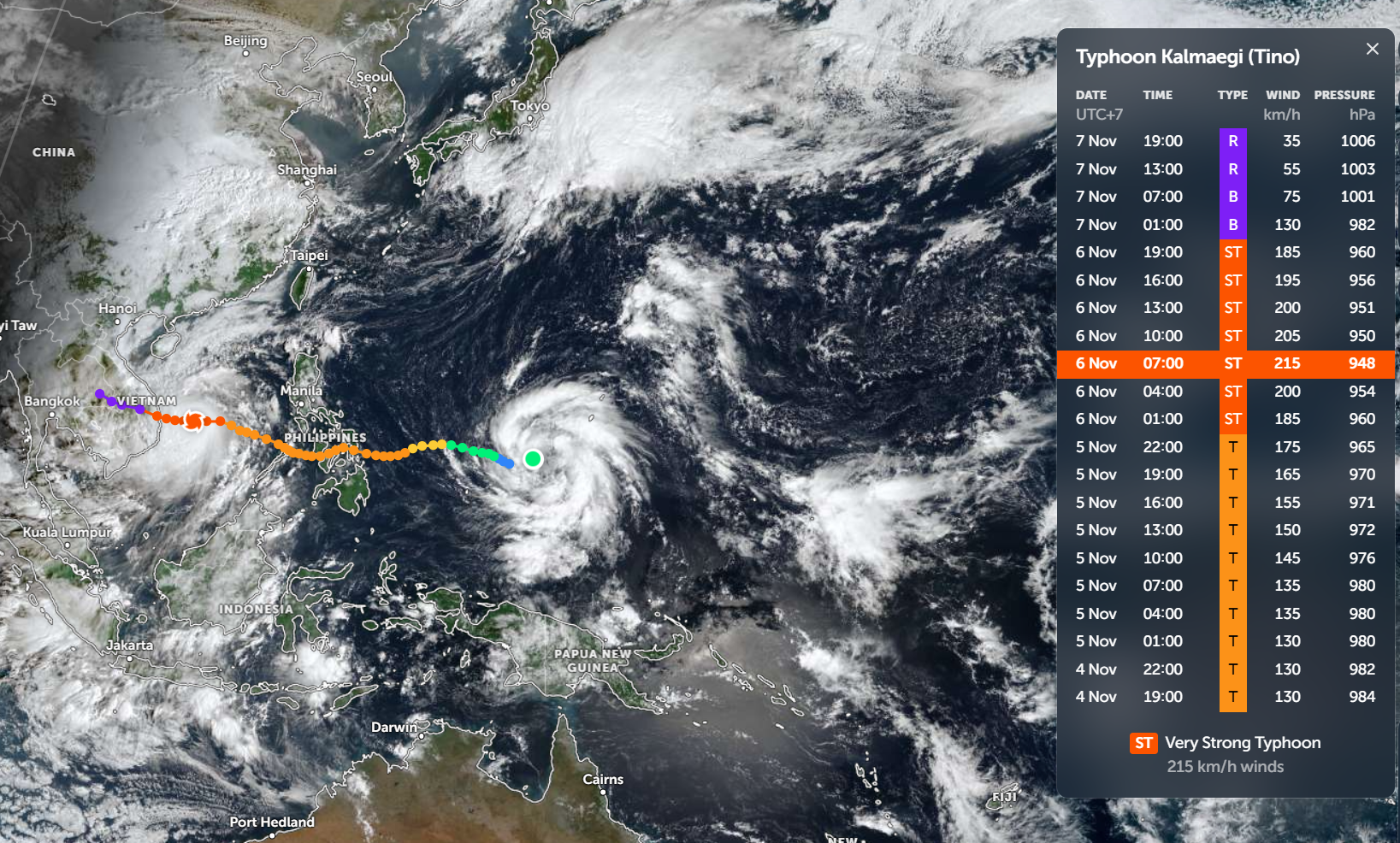
Over the past month, Viet Nam has faced a series of extreme weather events, including widespread flooding in the North and Central regions and severe landslides in the Central Highlands. The damage to lives, property, and production has been significant, deeply affecting livelihoods and economic activity. Most notably, in the past week, Typhoon Kalmaegi (Storm No. 13) brought prolonged heavy rainfall, strong winds, and heightened landslide risks across many provinces – especially in Central Viet Nam and the Central Highlands. The growing toll on people and infrastructure has posed major challenges for emergency response efforts. Thanks to decisive leadership from the Government and close coordination across all levels of authority, response and recovery efforts have been swiftly and comprehensively deployed. These actions have helped minimize losses and rapidly stabilize business and production activities. Map of Viet Nam’s seaport system after administrative adjustments Proactive Government – Confident Enterprises Upon early forecasts of Typhoon Kalmaegi’s complex developments, the National Steering Committee for Natural Disaster Prevention issued Directive No. 25/CĐ-BCĐ, urging provinces from North Central to the Central Highlands to activate emergency response plans to protect people and economic infrastructure. Emergency forces were fully mobilized to evacuate residents, safeguard assets, and inspect reservoirs, power grids, transportation, and telecommunications – especially in industrial zones and key logistics hubs. International transport systems, seaports, and airports remained operational, ensuring uninterrupted supply chains – critical for FDI enterprises. Recovery efforts were launched nationwide: electricity, transportation, and communications in key areas – particularly industrial parks and logistics centers – were quickly restored to ensure safe operations. Vantage Logistics – Vantage Logistics – Sharing Strength to Rise After the Storm In this context, Vantage Logistics not only maintained stable operations but also demonstrated strong social and humanitarian responsibility. The “Vantage Family” culture came to life through care, solidarity, and support – especially during these challenging times. From the earliest warnings, the entire Vantage team closely monitored the situation and extended special care to colleagues living and working in areas directly affected by Typhoon Kalmaegi: Many employees faced housing and transportation difficulties due to the storm. A rapid response team was formed to provide both material and emotional support. Timely encouragement and practical assistance empowered employees to stay resilient, maintain morale, and ensure operational continuity. “At Vantage Logistics, we believe every member is more than a colleague – they are a companion in building a shared home rooted in compassion, trust, and sustainable values.”Satellite image of Typhoon Kalmaegi over the Western Pacific Ocean, November 2025. Source: Zoom Earth National Resilience – A Foundation For Global Business This response effort reaffirms Viet Nam’s capacity for disaster risk management and its commitment to maintaining a safe, adaptable investment environment – even amid natural disasters. At the same time, Vantage Logistics has shown that a people-centered corporate culture is a powerful foundation for overcoming adversity and protecting what matters most: people. International partners can place their trust in Viet Nam’s rapid recovery capabilities, government support, and internal solidarity – key factors in ensuring business continuity under any circumstance.

14/11/2025

View More

Vantage News

7 Steps to Building B2C Export Capabilities: Vantage Logistics Addresses Three Critical Factors for Success in the US Market

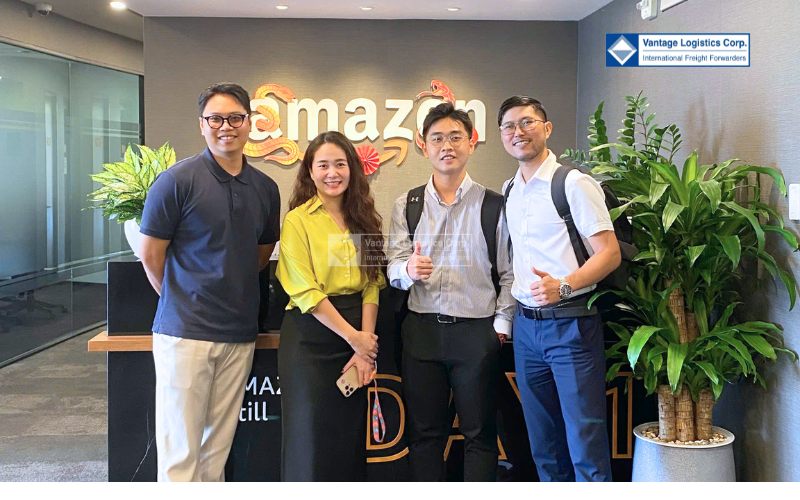
As traditional B2B export models face growing challenges, Vietnamese businesses are actively seeking new pathways to reach global consumers directly. On 24 October 2025, A workshop organised by Amazon Global Selling in Ho Chi Minh City brought together local brands and manufacturers in the South who are seeking new growth opportunities as traditional B2B export channels face increasing pressure. The programme introduced a structured 7-step framework for B2C export, providing businesses with a clear roadmap to enter the US and European markets. As a logistics partner supporting hundreds of Vietnamese exporters, Vantage Logistics shared practical insights on how logistics directly influences cross-border performance – from operational cost control and delivery speed to customer experience. The 7-Step Framework for Building B2C Export Capabilities Developed by Amazon Global Selling, the framework enables Vietnamese businesses to build sustainable and scalable B2C operations: Product development Financial planning Team capability building Supply chain flexibility Fulfilment and warehousing optimisation Marketplace account operations Brand building Logistics – The Strategic Engine Behind Steps 4, 5 and 6 In this framework, Vantage Logistics plays a central role where logistics directly determines competitiveness and market access. Vantage Logistics delivers a fully-integrated cross-border service portfolio, including warehousing, fulfilment, last-mile delivery, inventory control and end-to-end transportation from Vietnam to global consumers. Our solutions focus on: Flexible supply chain management – optimising flows from factories to international warehouses Fulfilment and storage solutions – connecting to global warehouse networks, particularly in the United States Cross-border logistics integrated with Amazon systems – enabling smooth marketplace operations “To succeed on Amazon, your supply chain must be adaptable with strong cost controls. Logistics is more than transportation – it is a core driver of competitiveness”, a Vantage representative stated. During the Q&A session, participants raised questions focusing on: Transportation costs and optimisation options Compliance, documentation and customs requirements Inventory planning and international warehouse operations Vantage Logistics addressed these concerns with actionable and scalable solutions, helping businesses confidently expand into the US market. From Vietnamese Factories to U.S. Consumers – No Longer Just a Dream Vantage Logistics is already working with Vietnamese brands to scale their direct-to-consumer exports. By managing warehousing, fulfilment, last-mile delivery, inventory and cross-border execution, we allow businesses to stay focused on product development and brand growth. With an established international partner network, connected warehouse facilities in the US and experienced logistics specialists, Vantage Logistics is closing the gap between Vietnamese manufacturers and global customers – enabling faster, more efficient market access. Ready to enter the US market? Speak to our experts for dedicated one-to-one guidance today! Contact: hannah.sgn@vlc.com.vn

24/10/2025

View More

Blog

RECYCLING OLD UNIFORMS – TAKING ACTION FOR THE ENVIRONMENT, BUILDING A CULTURE OF SUSTAINABLE DEVELOPMENT (17 SDGs)

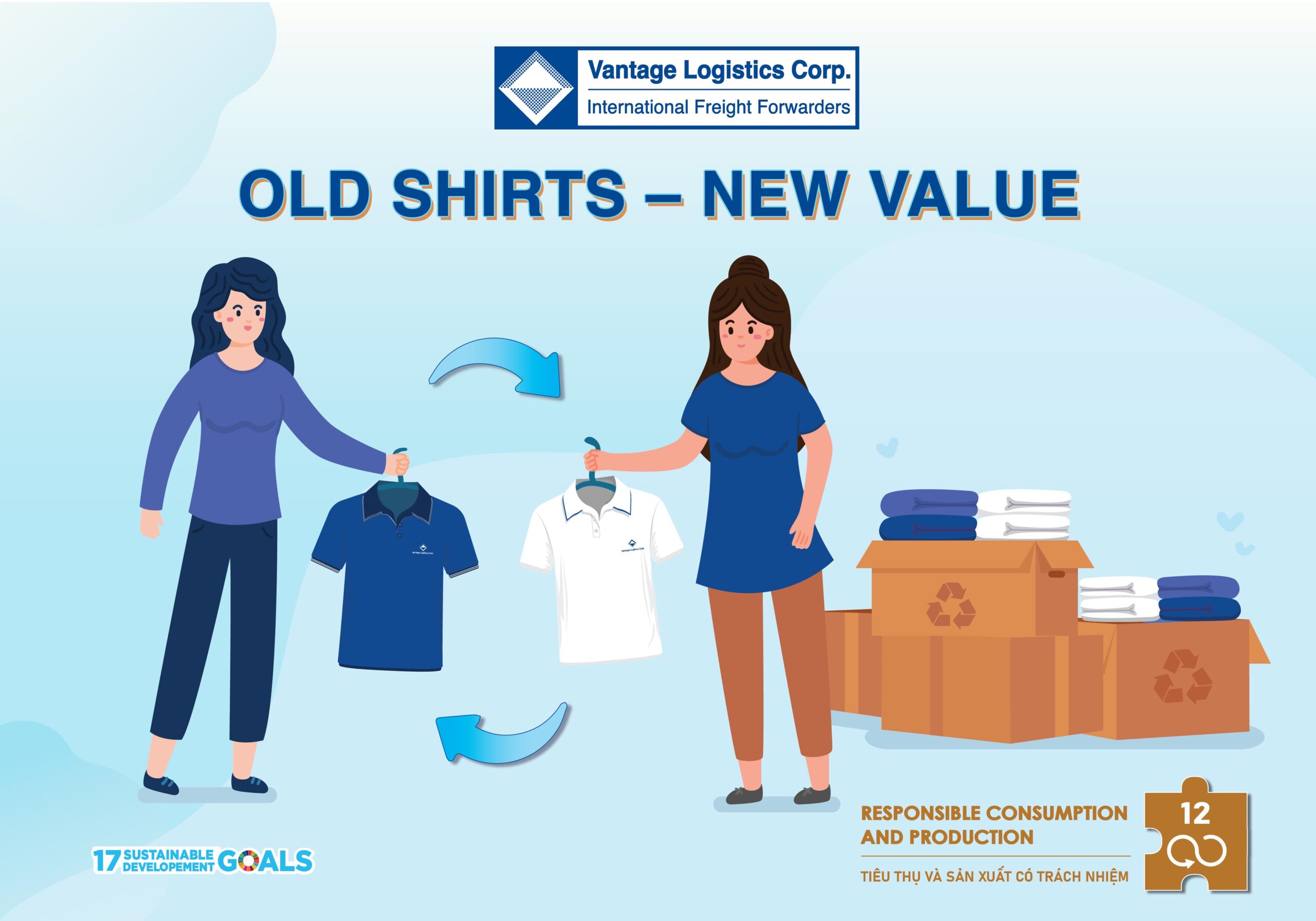
Collect Old Uniforms – Exchange for New Ones” kicks off a sustainable initiative to recycle and regenerate used uniforms, promoting the message: Reuse – Recycle – Co-create a sustainable environment. Continuing its commitment to sustainability and corporate social responsibility (CSR), Vantage Logistics has officially launched the initiative “Uniform Rebirth: Old Shirts – New Value”.This initiative integrates the company’s annual uniform distribution with a circular economy approach, reflecting the company’s ongoing effort to build a corporate culture rooted in environmental action. Every Uniform Has a Story. Every Action Creates a Greener Future At Vantage Logistics, a uniform is more than just professional attire – it represents unity, shared experiences and pride in every journey the team has taken together. This year, instead of letting used uniforms reach the end of their life cycle, we are giving them a new purpose – allowing them to continue contributing in a more sustainable way. Rebirth, Not Waste: Acting for SDG 12 Acknowledging the environmental impact of textile waste, Vantage Logistics is implementing this programme to advance the United Nations Sustainable Development Goal 12 (SDG 12): Responsible Consumption and Production. Used uniforms will be sent to a certified recycling partner in Ho Chi Minh City, where they will be processed into industrial materials such as padding and insulation – with a firm commitment to zero landfill waste. “Each uniform carries the pride of its wearer. By giving these uniforms a second life, we preserve and multiply that value – through our responsibility to the environment and the community. This is how we turn our sustainability commitment into tangible action within our corporate culture”, shared a Vantage Logistics representative. Vantage Logistics: From Strategy to Corporate Culture This initiative is more than an internal campaign – it stands as a clear statement of Vantage Logistics’ brand philosophy and sustainable direction: Supply Chain Responsibility: Demonstrating the capability to manage not only cargo but also waste, creating a closed-loop, sustainable ecosystem. Corporate Culture: Inspiring every team member – from BackOffice to Frontline – to take part in daily environmental action. Trusted Partnership: Strengthening Vantage’s position as a reliable logistics partner for global enterprises committed to ESG and sustainable growth. Vantage Logistics believes that consistent, meaningful actions – even the smallest ones – can drive long-term change. Through the Uniform Rebirth initiative, the company continues to build a greener, more responsible logistics industry, contributing positively to the sustainable future of Vietnam and beyond. Join Vantage Logistics in building a greener future – starting from the smallest actions today!

21/10/2025

View More

Vantage News

New Lithium Battery Guidelines For 2016

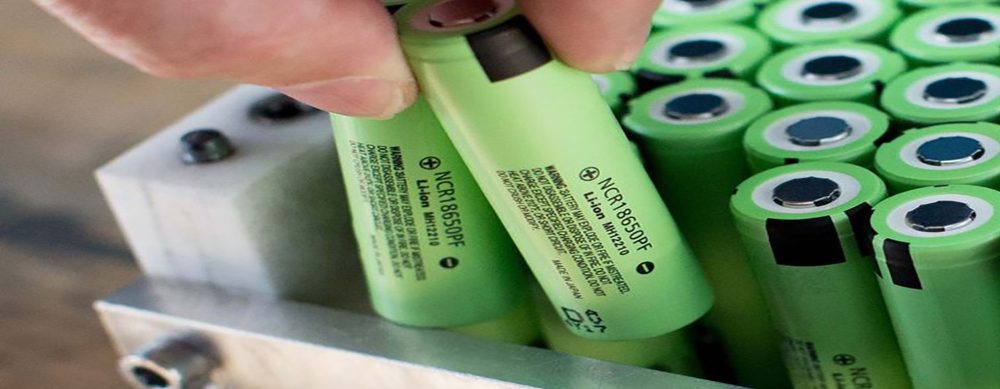
The International Air Transport Association (IATA), along with the International Civil Aviation Organization (ICAO) Council, have announced a new aviation safety measure in relation to lithium-ion batteries. Effective April 1st, 2016, all lithium-ion batteries shipped as cargo are prohibited on passenger aircraft.  Per ICAO, this will be a temporary measure through at least 2018, until they adopt new packaging standards, therefore, until further notice, shipments of lithium-ion batteries are restricted to cargo aircraft only.   This will only apply to UN 3480, Packing Instructions 965, which are lithium ion battery cells.  The prohibition does not apply to lithium ion batteries packed with equipment (UN 3481, Packing Instruction 966) and lithium ion batteries contained in equipment (UN 3481, Packing Instruction 967).   It is also important to note that this regulation states that not more than one (1) piece prepared in accordance with Packing Instruction 965 may be shipped per shipper/consignee.  One piece is one box.  The one box cannot surpass 10 KG.  It is possible to consolidate several small boxes into one bigger box to comply with the “one piece” requirement, as long as the one piece does not go over the required weight.   We know that this causes an inconvenience to many customers, but this is a government mandate from IATA, so airlines, shippers and forwarders must follow it. If you currently ship cargo containing batteries via air, and are not aware of your particular UN, you may obtain a Material Safety Data Sheet (MSDS) from your supplier with all of the Dangerous Goods information.  Our Operations Team will also be able to assist you with this: cindy-vn@vantage-logistics.com.vn...

22/04/2016

View More

Vantage News

Summary About Asean Single Window (ASW)

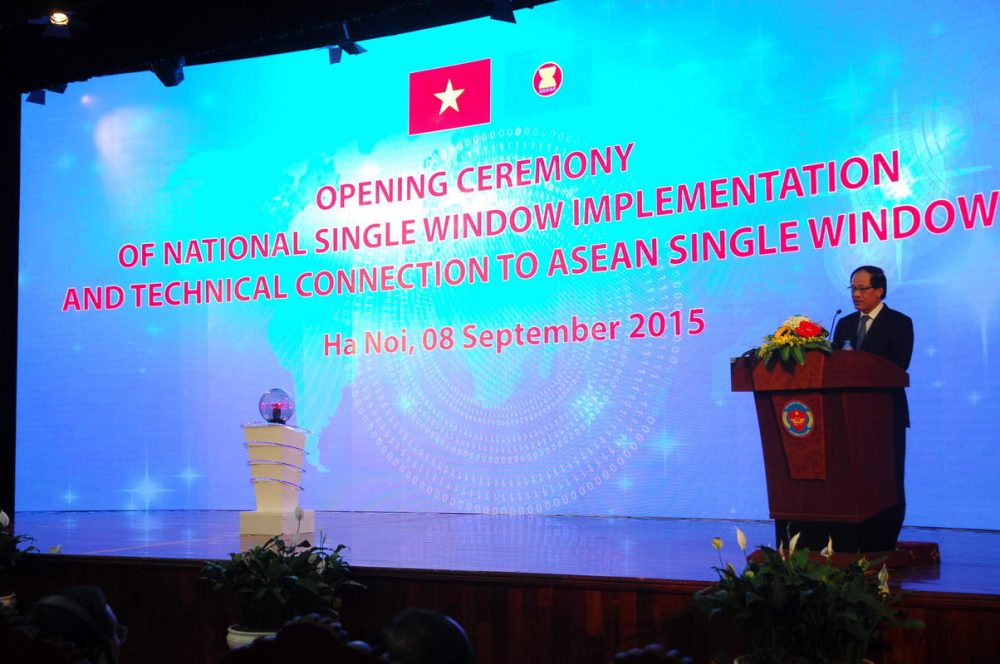
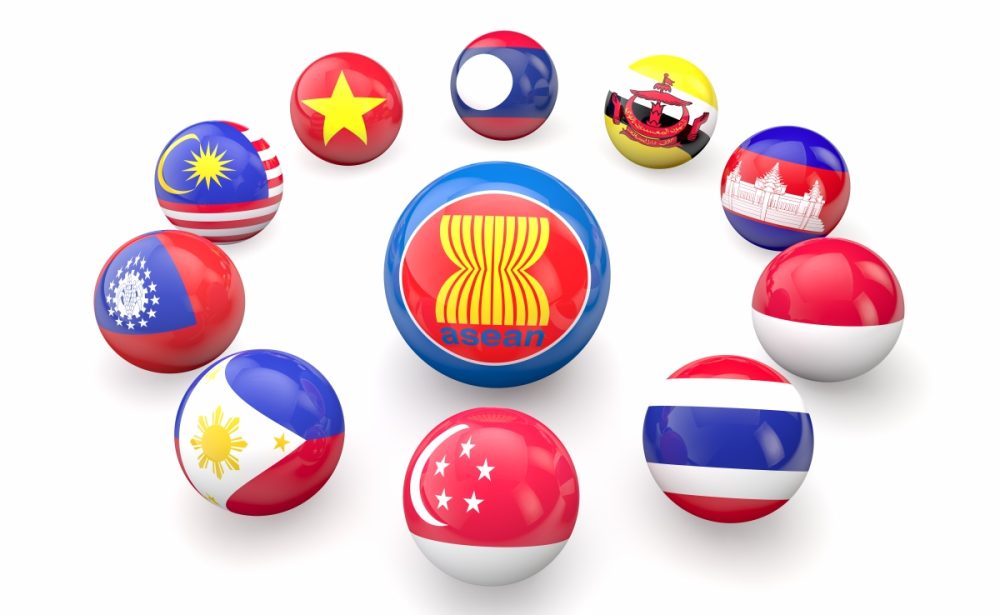
This year 2016 the ASW will be put stronger into practice So far, 7 countries including Singapore, Indonesia, Malaysia, Thailand, Viet Nam, the Philippines, Brunei already announced their readiness for Nation Single Window System (NSW), the transitional step for ASW; of which, 5 countries already announced their readiness for ASW since December 2015; including: Singapore, Indonesia, Malaysia, Thailand and Viet Nam. ASW was initiated since 2005 but due to various reasons, was not really carried out until now. To prepare for ASW, the member countries take the NSW as transitional step; of which, all related national managing / controlling organizations will be combined in 1 single window. When all member countries are ready, to carry out ASW, all members just need to connect their NSW to ASW. Advantages of ASW 1. Customs formalities: No big change so far, each country still follow their current procedure. The time frame will be shortened as all steps will be done online on NSW and ASW. Managing / controlling organizations will check and approve on the system, any adjustment / amendment will be done online as well to reduce time of paper transferring. Will be a disadvantage for those companies that do not comply transparent business. Exporters of member countries should declare commodity name, HS code exactly and inform importer of member countries so that they can declare in accordingly. 2. Certificate of Origin (C/O): Apply and issue C/O online. If members have agreement, the online C/O will replace paper C/O. All adjustment / amendment or investigation will be done online as well and hence, saving time. 3. Transportation: International port system, Ministry of Transportation approval system will be linked In general: companies can save time, managing / controlling organizations can manage / control better. Above are information from media, details of deployment will be updated....

27/01/2016

View More

Blog

Advice from Expert: Insured Value or “How much do I insure my goods for?”

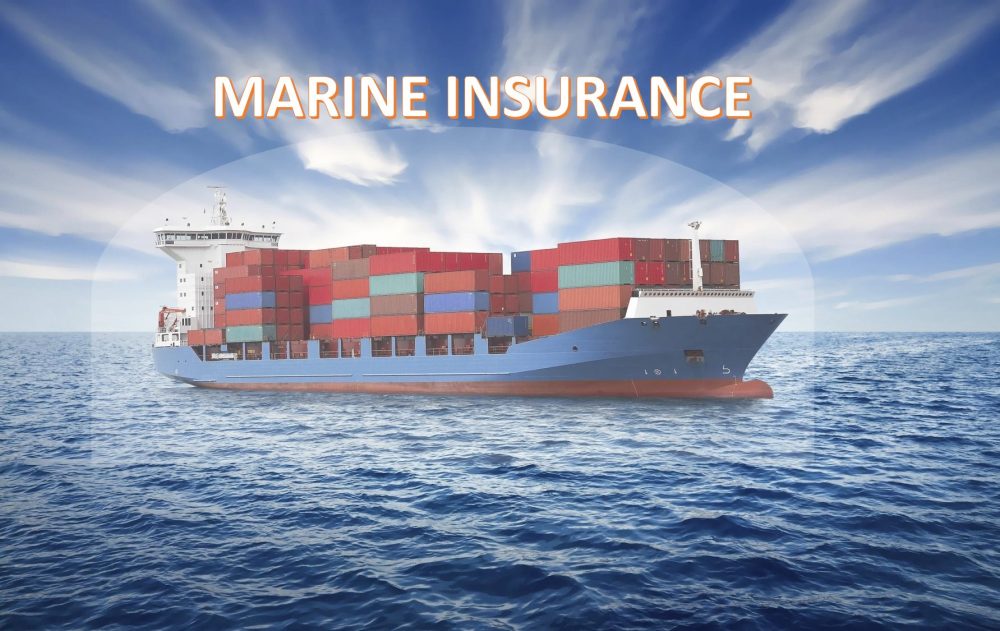
The objective of cargo insurance is to put the owner of the goods in the same financial position as if the loss never occurred. With the myriad of charges applying to the movement of freight, over the last 20 years I have witnessed numerous errors that cost owners of the goods that have been damaged or lost in transit. Cargo Insurance will only ever pay to the insurance value noted on the certificate of insurance. Calculating the insured amount has always confused the import / export industry and the following is a simple way to ensure that you have a successful claim payout in the unhappy event of a lost or damaged item. The usual practice is to add the ‘invoice cost’ to the ‘freight cost’ and then add in the ‘insurance premium’ plus 10% extra. Cost + Insurance + Freight is our CIF value and the 10% additional is intended to cover the many ‘additional’ costs that are applied by the transport chain. Examples would be landing charges, bank charges, road transport and customs brokers fees to name few. Sometimes the 10% can still be inadequate depending on the additional expenses that it cost you to transport your goods – another simply example would be high duty on certain goods. You can insure for this higher duty to ensure you do not have an uninsured exposure. I often use the term ‘landed cost’ for the total of all of these charges to get the goods to the final destination. Example – I am exporting a Machine worth $250,000 Cost $250,000 Freight $12,000 Insurance $1,500 Plus 10% = $289,850 If you insured my machine for its cost price only and the truck rolled over to final destination I would be out of pocket $39,850 and obviously unhappy. The premium cost difference between $250,000 and $289,850 is zero. So this error in miscalculating my sum insured would not have cost me any more insurance premium but it has cost substantially in the event of a loss. Advice from James Sparke and network partner Australian Reliance – Leaders in Marine Risk Management...

28/11/2015

View More
1 15 16 17 18