MARKET UPDATES

Market updates

Coconut and Banana Exports Surge: Vantage Logistics Powers Vietnamese Agriculture’s Global Expansion

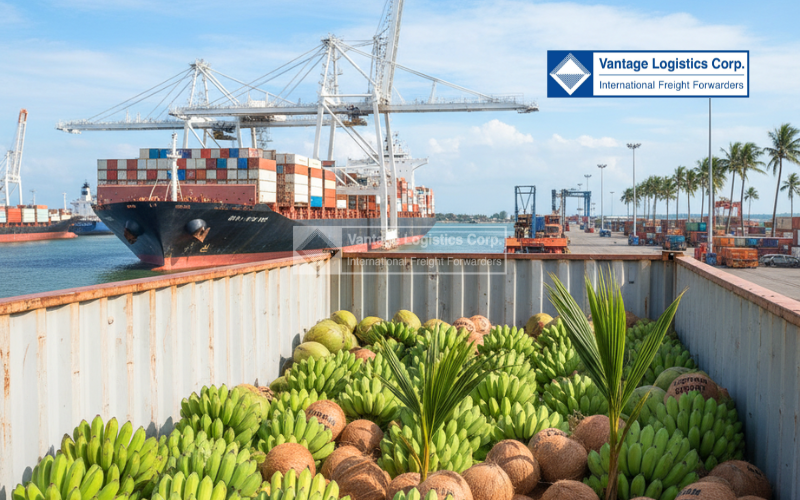
Vietnam’s coconut and banana exports are accelerating in major markets such as the United States, Japan, and China. Alongside the expansion of market opportunities, the demand for cold chain logistics and compliance with international standards has become increasingly stringent. This is the moment when exporters need a logistics partner with proven capacity and experience to ensure product quality, on-time delivery, and business reputation. Vietnamese Coconut: The U.S. Surpasses China – Unlocking New Growth Potential In the first seven months of 2025, Vietnam’s coconut export value reached approximately USD 306 million, up nearly 40% compared to the same period last year. Notably, the United States overtook China to become the largest importing market, accounting for USD 82 million and 27% of total export value. This growth reflects Vietnam’s ability to meet stringent technical standards, packaging requirements, and traceability regulations. Behind these results lies a specialised logistics ecosystem that plays a decisive role in preserving product quality throughout the export journey. Vietnamese Banana: Strong Position in China – Breakthrough in Japan In 2024, Vietnam exported 625,000 tonnes of bananas to China with a total export value of USD 261 million – up 28% in volume and 7% in value. This achievement positioned Vietnam ahead of the Philippines as China’s largest banana supplier. Meanwhile, exports to Japan grew nearly 14-fold compared to 2019, reaching 33,000 tonnes in 2024. In July 2025 alone, the export volume doubled year on year, signalling stable demand and expanding market potential. To keep up with growing export orders, scheduled weekly cold chain transportation plays a crucial role in ensuring shipments arrive on time and in optimal condition, with zero compromise on quality. Vantage Logistics: Specialist Logistics Partner for Fresh Produce With more than 23 years of experience, Vantage Logistics delivers specialised logistics solutions for perishable goods, including: Cold Chain Transport – Maintaining stable temperature from origin to international destinations. Export Procedures and Phytosanitary Certification – Supporting exporters in complying with the strictest market regulations. Real-time Shipment Tracking – Enabling customers to monitor cargo conditions every step of the way. Beyond transportation, Vantage Logistics acts as a strategic partner in every stage of the export journey — protecting product quality, optimising costs, and helping businesses expand sustainably into global markets. Driving Vietnamese Agriculture Forward Vietnamese coconuts are gaining ground in the U.S., while bananas maintain strong growth momentum in China and Japan. In this journey, Vantage Logistics stands as the trusted bridge ensuring quality, speed, and reliability for every shipment. Contact Vantage Logistics to optimise your export operations and elevate the global value of Vietnamese agricultural products! Source: VnExpress – Article titled “U.S. Surpasses China to Become Vietnam’s Largest Coconut Importer” accessed on 16 October 2025.

17/10/2025

View More

Market updates

Northern Europe Logistics Crisis: Rotterdam and Antwerp Paralysed by Strikes – Businesses Must Act Now

Since early October, consecutive strikes at Port of Rotterdam and Port of Antwerp-Bruges have caused severe congestion, disrupting shipping schedules to and from Europe. Dozens of container vessels are currently waiting offshore, putting immense pressure on supply chains and driving up potential delays and costs. Rotterdam: Container Handling at a Standstill On 8 October, lashers at the Port of Rotterdam launched a strike over wage disputes, halting all container loading and unloading operations. Lashers play a critical role in vessel operations, and their absence has brought major terminals such as Maasvlakte II, Delta II, ECT and RWG to a stop. According to the FNV union, all employees from the two main lashing service providers joined the strike. Tugboats and pilots remain operational, but without lashers, containers cannot be secured or released. The strike, initially planned for 48 hours, has been temporarily suspended from 13 October for five days to allow negotiations to resume. If no new agreement is reached, the strike may resume after 17 October. Image source: Reuters – A drone view of containers stacked at the Port of Rotterdam, Netherlands Antwerp-Bruges: Limited Pilot Hours Trigger Major Delays Since 5 October, maritime pilots at Antwerp-Bruges have been staging a “work-to-rule” action to protest pension reforms, restricting operations to 08:00–17:00 daily. This has cut port handling capacity nearly in half — from an average of 60–80 vessels per day to just 31 on 7 October. The backlog has quickly escalated, with more than 60 vessels waiting for berthing slots at Antwerp and Zeebrugge as of 9 October, intensifying pressure on port coordination. Widespread Congestion Threatens Supply Chains Data from Lloyd’s List Intelligence shows that the number of container vessels anchored off Northern Europe has increased fivefold in just a few days. Maersk has warned customers of major disruptions to port calls and vessel schedules at Rotterdam, Antwerp and Zeebrugge. Beyond the strikes, factors such as low river levels, shipping alliance reshuffles and growing transport demand are further straining European supply chains. Vantage Logistics: Flexible Delivery Solutions During EU Port Crisis This wave of strikes and congestion poses a significant threat to time-sensitive cargo and contract-bound shipments. Vantage Logistics advises shippers and consignees to: Plan earlier to secure stable shipping slots. Consider alternative routes to reduce reliance on Northern European ports. Use Air Freight or multimodal solutions for urgent orders to maintain delivery commitments. We stand ready to provide tailored routing options and agile shipment handling to support your EU supply chain during this disruption. Contact Vantage Logistics today to discuss suitable routing and delivery strategies for your Europe-bound cargo.

13/10/2025

View More

Market updates

Vantage Logistics Supports Vietnamese Businesses to Expand Exports to the US through Amazon Global Selling 2025

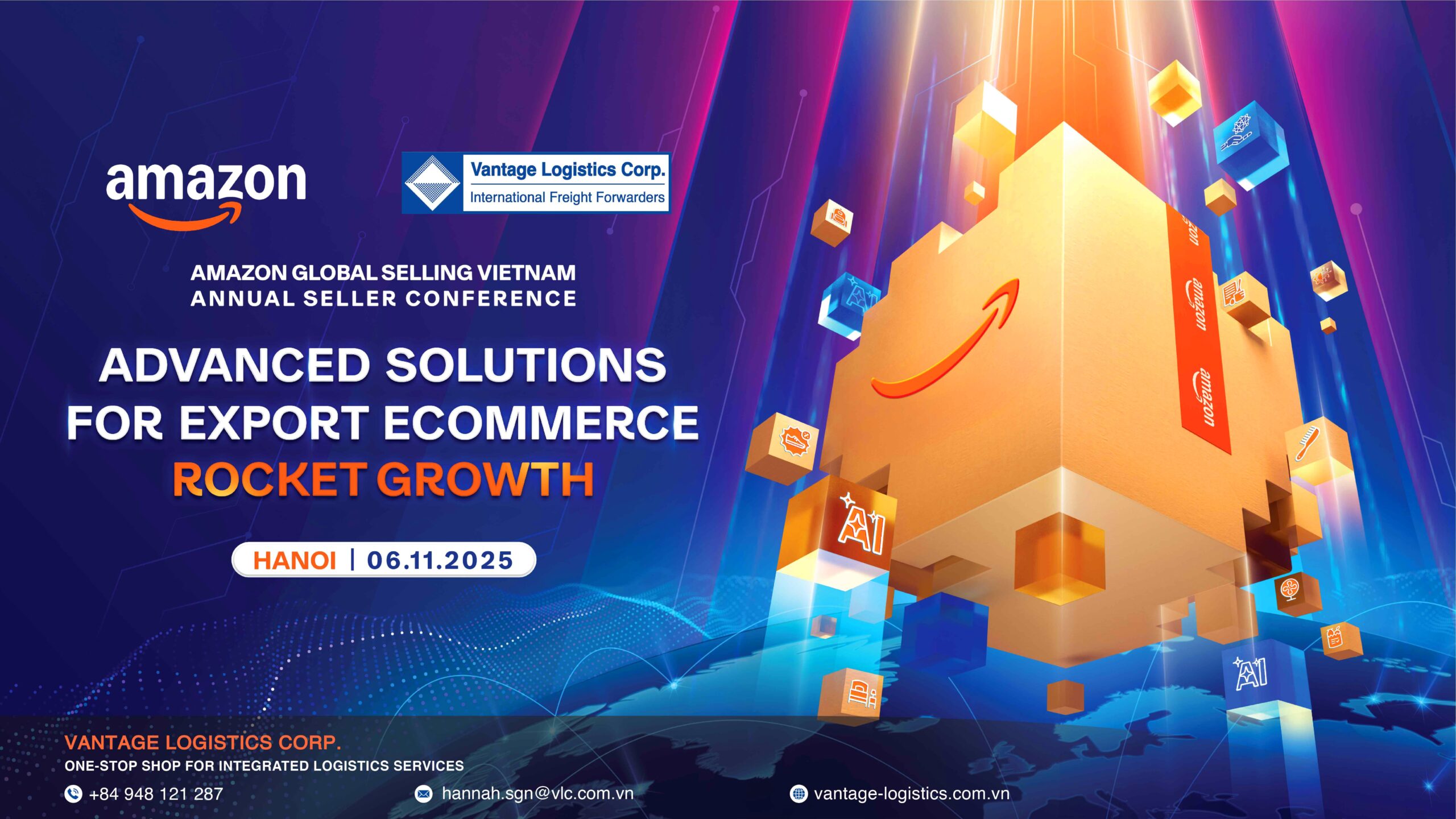
Amazon Global Selling Vietnam 2025: Tech Breakthroughs – Accelerating Global Export Success Driving New Opportunities for Vietnamese Exporters to the United States On 6 November 2025, Vantage Logistics will officially participate in the Amazon Global Selling Viet Nam Conference 2025 – the largest cross-border e-commerce event of the year, held at the Vietnam Exhibition Centre (Hanoi) under the theme “Technology Breakthroughs – Accelerating Global Exports.” The conference is set to gather over 1,500 sellers, 20+ reputable service providers, and 10+ distinguished speakers from Vietnam and abroad. It offers Vietnamese sellers an invaluable opportunity to stay ahead of global e-commerce trends, learn from million-dollar brand success stories, and explore practical logistics and compliance solutions to expand exports through Amazon. With a focus on strategic export destinations such as the United States, the event promises to deliver a comprehensive perspective on the evolution of global e-commerce and new growth opportunities for Vietnamese businesses. Market Context and Export Challenges for Vietnamese Businesses In recent years, many Vietnamese exporters have turned to cross-border e-commerce as a way to diversify export markets and reduce reliance on traditional channels. However, this journey remains challenging. Businesses face numerous barriers, including: Strict regulations on documentation, taxation, and US import standards High logistics costs and long delivery lead times Limited experience in managing and complying with Fulfilment by Amazon (FBA) standards These are the very challenges that Vantage Logistics designed to help Vietnamese businesses overcome key export barriers and succeed in the US market. Vantage Logistics’ Role at the Event As a Vietnam–US logistics specialist with over 23 years of experience, Vantage Logistics joins this year’s conference with the goal of empowering Vietnamese businesses to expand to the US through Amazon. At the event, Vantage Logistics will provide on-site consultation and introduce its comprehensive international shipping solutions for Amazon sellers in Viet Nam. The company will also share practical insights on how to optimise costs and shorten lead times when exporting to the US, including: Amazon-standard FBA & FBM shipping services Optimised cost and time-efficient delivery solutions Consultation on import compliance, documentation, and taxation Special support programme for first-time Amazon exporters Committed to Supporting Vietnamese Exporters Through Amazon Global Selling 2025, Vantage Logistics reaffirms its commitment to being more than just a transport provider – but a strategic partner helping Vietnamese businesses: Optimise cross-border supply chains Strengthen competitiveness of Vietnamese products on global e-commerce platforms Develop sustainable export growth to the US market With careful preparation, long-term vision, and the right logistics partner, Vietnamese businesses can confidently take their place on the global stage with confidence and resilience. Interested businesses can connect directly with the Vantage Logistics team for tailored export consultation and exclusive support programmes. → Vantage-Amazon2025-Register EVENT DETAILS Date: 6/11/2025 Venue: Vietnam Exposition Center (VEC), 3VQ8+24C, Đong Hoi, Đong Anh, Ha Noi Contact: hannah.sgn@vlc.com.vn | 0948 121 287

09/10/2025

View More

Market updates

MARKET FORECAST NEWSLETTER: LOGISTICS TRANSPORTATION FROM VIETNAM & SOUTHEAST ASIA (SEA) TO GLOBAL MARKETS – Q2/2025

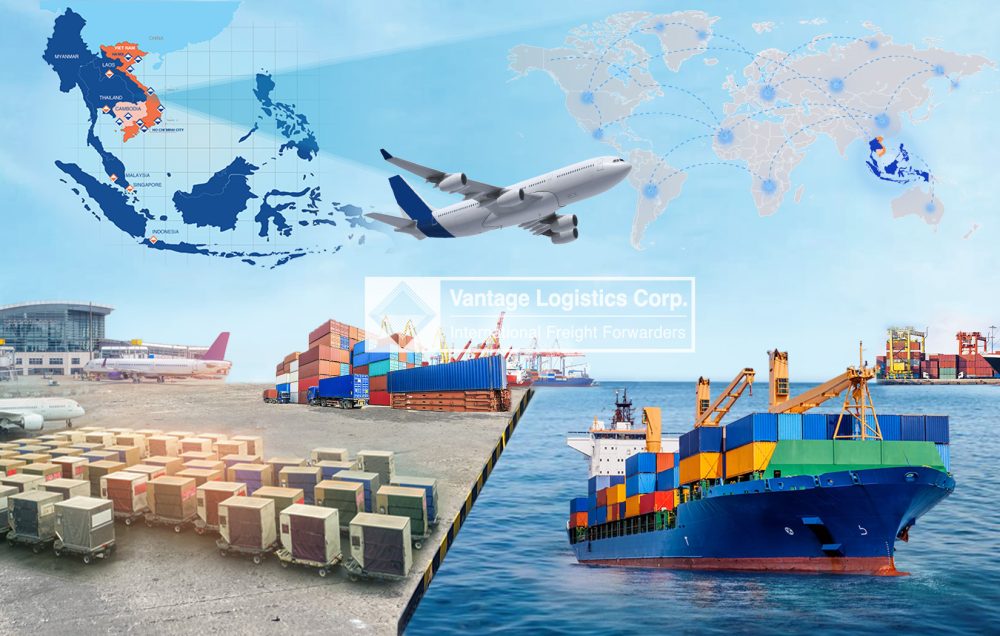
Other factors, such as prolonged inflation, fuel price volatility, and weakened consumer demand, further impact shipping demand. Meanwhile, the relocation of supply chains to Vietnam requires time to establish infrastructure and new production processes. This is an ideal period to negotiate long-term contracts with competitive freight rates, securing shipping capacity ahead of the Q3–Q4/2025 peak season. I. SeaFreight: Challenges & Opportunities from Vietnam and SEA The global economic landscape in Q2/2025 continues to be influenced by policy uncertainties and weakened consumer purchasing power. Ocean freight routes from Vietnam and Southeast Asia to major markets such as the United States, Europe, and Australia-New Zealand are experiencing mixed trends, creating both challenges and opportunities for businesses to optimize logistics costs and strategies: 1. U.S. Routes – High Volatility, Favorable Rates Stable yet slightly oversupplied capacity: Major carriers like Maersk, HPL, and ONE are maintaining “blank sailing” strategies to balance supply and demand. However, due to delayed bookings caused by concerns over new U.S. tariff policies, there is currently a slight surplus in slot availability. Freight rates plunging: According to ShipUniverse, freight rates from Vietnam to the U.S. in Q1/2025 dropped by an average of 28%, marking the sharpest decline in two decades. Although the U.S. has temporarily delayed imposing additional tariffs for 90 days (except for China), cautious sentiment continues to influence booking decisions. Other factors, such as prolonged inflation, fuel price volatility, and weakened consumer demand, further impact shipping demand. Meanwhile, the relocation of supply chains to Vietnam requires time to establish infrastructure and new production processes. This is an ideal period to negotiate long-term contracts with competitive freight rates, securing shipping capacity ahead of the Q3–Q4/2025 peak season 2. European Routes (EU) – Relatively Stable Amid Global Volatility Stable supply of slots and containers: Leading carriers like ONE, OOCL, MSC, and Maersk are maintaining consistent slot and container availability. Container inventory at major Vietnamese ports such as Cat Lai, Cai Mep, and Hai Phong remains largely stable. Freight rates staying low: Current rates are 10–15% lower than the same period in 2024 and are expected to remain stable through April and May. However, the risk of congestion at major ports like Rotterdam and Hamburg is increasing due to summer staffing shortages (typically from June to August). The EU’s economic recovery remains sluggish, with weak consumer demand. China continues to exert indirect influence on European routes by adjusting operational plans or feeder schedules. Certain transshipment routes via Singapore and Port Klang may face container shortages or delays without early planning. The European route is well-suited for shipments with regular, stable schedules. Businesses should prioritize this route to mitigate risks from the U.S. market and preserve long-term supply chain stability. 3. Australia-New Zealand Routes (AU-NZ) – Opportunities During The Low Season Ample supply – Competitive rates: Slot and container availability are abundant at major ports, making booking easier with minimal delays. Reduced shipping costs – Favorable negotiation opportunities: Carriers such as Maersk and HPL are offering rates lower than operational costs to attract cargo. Rates are expected to rise slightly starting in June to prepare for the peak season. Competitive pricing strategies: During the low season, carriers are ramping up promotions and special pricing policies. This is the perfect time to negotiate long-term contracts with low freight rates, optimizing logistics costs for shipments in Q3–Q4/2025 II. Air Freight: Impact of New U.S. Tariff Policies Following President Trump’s announcement of new import tariffs effective April 9, 2025, the global air freight market has seen significant changes, particularly in Southeast Asia: Noticeable drop in demand: With consumer sentiment slowing in the U.S., many airlines have reduced flight frequencies or switched to smaller bellyhold aircraft to optimize costs. Slight decline in freight rates: Routes affected by tariff policies—especially to North America—are adjusting rates downward, albeit with limited margins. Airlines are closely monitoring market trends to respond quickly to actual demand. Supply chain instability risk: Tariff implementation could trigger retaliatory measures from affected nations, creating ripple effects across global logistics chains. Stable freighter operations: Amid bellyhold reductions, freighter aircraft operations remain robust thanks to their flexibility in network coverage and frequency, especially in the Asia-Pacific region. Forecast: The air freight market will continue to experience significant volatility in Q2/2025. Businesses should secure bookings early and closely monitor developments to proactively adjust transportation plans, particularly for seasonal goods, technology products, or perishable items. In the face of unpredictable market fluctuations, Vantage Logistics Corp. is committed to being a “Leading Logistics Provider” by offering flexible and sustainable solutions alongside our partners: Logistics consulting: Optimizing shipment planning, consolidation, and route selection to ensure on-time delivery, compliance, and cost efficiency. Securing volume & long-term contracts: Actively negotiating with carriers to secure competitive rates and stable slots during peak seasons. Weekly market updates: Real-time data on slot availability and freight rates from carriers to enable rapid responses to market dynamics. Strong SEA network: Extensive connections across logistics hubs in the region – from Vietnam to Thailand, Singapore, Malaysia, and beyond – ensuring stable capacity from origin to global destinations. Vantage Logistics is ready to support our partners in navigating challenges and seizing opportunities in the global market during Q2/2025. Contact the Vantage team for detailed updates tailored to individual routes and specific needs....

14/04/2025

View More

Market updates

Vietnam Domestic Transport Situation in 2024

In 2024, Vietnam’s domestic transportation sector continues to experience strong growth, with cargo volume estimated at 2,450 million tons, a 14.5% increase compared to the same period last year. Maritime transport plays a significant role, with cargo throughput at seaports reaching 864.4 million tons (up 14%) and container volume reaching 29.9 million TEUs (up 21%). Vietnam Domestic Transport Situation in 2024 Index 2024 Figures Growth (%) Volume of Goods Transportes 2.450 million tons +14,5% vs. 2023 Vận tải đường biển – Volume of Goods Through Seaports 864,4 million tons +14% vs. 2023 – Container Cargo 29,9 million TEUs +21% vs. 2023 Infrastructure Investment (Public & Private) 5,7% GDP – Transportation System – Road 595.000 km (2.021 km cao tốc) – – Railway 3.143 km – – Seaport 34 port, more than 100 km of wharves – – Fleet 1.015 ships, 10,7 million tons 3rd in ASEAN, 27th in the world Inland Container Depot (ICD) 16 ports (11 operational, 5 planned) – Inland Waterways – Mining length 17.000 km – – Port number 310 port – – Inland waterway port more than 6.000 berths – – Watercraft 270.000 domestic means – – Coastal Vehicles Nearly 3.000 units – – Shipyard facility 352 facilities – Expanded Infrastructure (2023-2024) 312 km additional highway – Expected by 2025 3.000 km highway – *According to Vietnam Maritime Administration & Saigon Port...

08/04/2025

View More
Upload Image...

Market updates

Termination of Import Tax Exemption for Goods Under 1 Million VND via Express Delivery – Challenges and New Opportunities for the Logistics Industry

Abolishing Decision No. 78/2010/QĐ-TTg – The new decision emphasizes strengthening tax management, eliminating the causes of trade fraud, and ensuring a healthy business environment for domestic enterprises. As we step into 2025, the express delivery industry is undergoing significant transformations, led by major companies such as FedEx, DHL, and UPS. From February 18, 2025, Decision No. 78/2010/QĐ-TTg on import tax exemption for goods valued under 1 million VND sent via express delivery services will officially be abolished, following Decision No. 01/2025/QĐ-TTg recently issued by the Prime Minister. Decision No. 78/2010/QĐ-TTg (November 30, 2010) allowed import tax and VAT exemptions for imported goods valued under 1 million VND. Currently, 4-5 million small-value orders are imported daily from China through e-commerce platforms. The VNACCS/VCIS customs declaration system has electronically processed more than 99% of procedures.. Abolishing Decision No. 78/2010/QĐ-TTg: Ensuring fairness with domestically produced goods. Reducing price discrepancies and encouraging domestic consumption. Increasing budget revenue and ensuring proper tax collection in line with the Party and State’s policies. The new decision emphasizes strengthening tax management, eliminating the causes of trade fraud, and ensuring a healthy business environment for domestic enterprises. 2025: A Year of Innovation and Challenges in the Express Delivery Industry As we step into 2025, the express delivery industry is undergoing significant transformations, led by major companies such as FedEx, DHL, and UPS. FedEx has announced plans to spin off its transportation business to focus on the core operations of FedEx Express. Despite a slight decline in revenue, the company remains optimistic about the future, focusing on cost reduction and share buybacks. DHL is applying artificial intelligence (AI) to optimize its supply chain, with technologies such as computer vision and generative AI playing a key role. The company is also focusing on sustainable logistics to reduce emissions and improve efficiency. UPS plans to increase shipping rates by 5.9% from the end of the peak season to support expansion and capacity enhancement. Despite rising labor costs and fluctuating market conditions, UPS is committed to maintaining high-quality services and adapting to market demands. To keep up with trends and compete effectively in 2025, VANTAGE PARCEL has set the following objectives: 1. Enhancing Customer Service Quality: Training staff on communication and problem-solving skills. Quickly resolving customer issues and inquiries. Creating a friendly and professional working environment. 2. Optimizing Work Processes: Using order and transportation management software to reduce errors and increase efficiency. Optimizing delivery routes to save time and costs. ​3. Applying Technology: Investing in online order tracking tools to help customers monitor their delivery status. 4. Expand Value-Added Services: Provide professional packaging services, cargo insurance, and smart warehousing. Diversify payment options (COD, online payment, e-wallets). With these strategies, VANTAGE PARCEL is committed to delivering fast, high-quality express delivery services that meet the growing needs of customers and partners in 2025....

20/02/2025

View More

Market updates

Goods Throughput at Vietnam Seaports by 2023 and Forecast to 2030

Goods Throughput Seaports By 2023 had reached 756.8 million tons, an increase of 5% compared to the same period in 2022, of which container cargo estimated at 24.7 million TEUs 1.Viet Nam’s seaport infrastructure As of October 2023, Viet Nam had 296 ports with a total berth length of approximately 107 km. Currently, international gateway ports have been established in the northern and southern regions; they can successfully accommodate container ships of up to 145,000 DWT at the Lach Huyen terminal (Hai Phong) and up to 214,000 DWT at the Cai Mep terminal (Ba Ria – Vung Tau). Additionally, large-scale dedicated terminals associated with industrial zones, integrated steel mills, petrochemical refineries, and coal-fired power centers can handle ships up to 200,000 DWT, liquid cargo up to 150,000 DWT (product tankers), and crude oil tankers up to 320,000 DWT. In fact, most of Vietnam’s import and export goods were transported by sea. The Vietnamese seaport system has been able to accommodate the world’s largest vessels, attracting 40 major shipping lines globally to operate within its network. Chart 1: Statistics of goods through the seaports as of November 2023. Source: Vietnam Maritime Administration  Chart 2: Statistics of goods through the seaports by category as of November 2023. Source: Vietnam Maritime Administration 2. Scale and quality of Viet Nam seaport By 2023, the total volume of goods through Vietnam’s seaports had reached 756.8 million tons, an increase of 5% compared to the same period in 2022, of which container cargo estimated at 24.7 million TEUs. The number of domestic waterway vehicles through reached 351.8 thousand, up 2%. Passengers passing through the seaport reached 7.04 million, up 17% compared to 2022. Chart 3: Goods through the seaports from 2019 to 2023. Source: General Statistics Office According to statistics from the United Nations Conference on Trade and Development, in 2023, the fleet flying the Vietnamese flag ranked 3rd in ASEAN and 22nd in the world. Additionally, the World Bank announced the Container Port Performance Index (CPPI), in which Cai Mep International Container Port ranked 12th out of 348 container ports worldwide. As of December 2023, Vietnam had 1.449 ships registered in the national ship registry, with a total tonnage of over 13.7 million tons and a total capacity of over 7.2 million GT. Of these, there were 977 transport ships with a total tonnage of over 11.1 million tons and a total capacity of over 6.6 million GT. According to the leadership of the Vietnam Maritime Administration, the number of Vietnamese sea vessels decreased compared to 2022, but their total volume and tonnage increased. The average age of the shipping fleet is 16.6 years. By 2030, the port system is expected to handle between 1.330 and 1.612 million tons of cargo (an increase of approximately 190 million tons). The volume of international transshipment containers is projected to reach about 4.1 million TEUs. Chart 4: Forecast for seaport capacity (2030). Source: Ministry of Transport Forecast of adjusted demand for goods through seaports in 2030. (Updated)...

23/05/2024

View More

Market updates

Vietnam’s Supply Chain Situation in Q1/2024

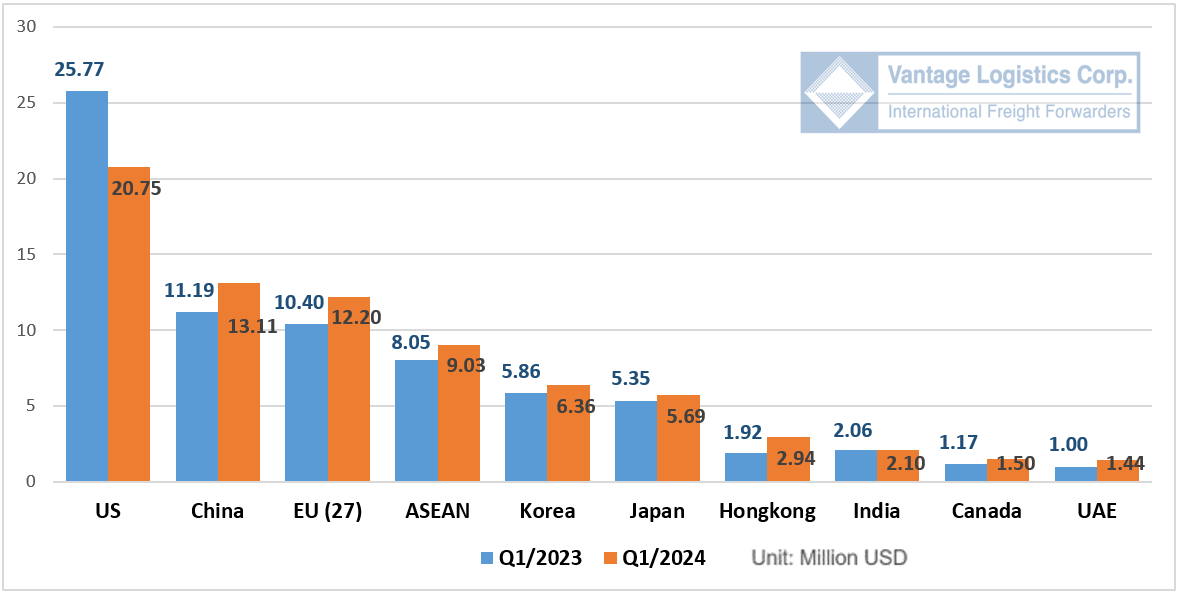
In the first quarter of 2024, Vietnam’s total trade turnover reached $178.04 billion, up 15.5% compared to the same period last year. Exports increased by 17% and imports increased by 13.9%. The goods balance of trade showed a surplus $8.08 billion. The export turnover in March 2024 was estimated at $34.01 billion, which represents a 37.8% increase from the previous month. Overall, for Q1/2024, the export turnover was approximately $93.06 billion, up 17% compared to the same period last year. Of which, the domestic sector contributed $25.21 billion to this figure, up 26.2%, accounting for 27.1% of the total export turnover; the foreign-invested sector (including crude oil) reached $67.85 billion, up 13.9%, accounting for 72.9%. In Q1/2024, there were 16 export commodities with a turnover exceeding $1 billion, accounting for 82.1% of the total export turnover (including 4 items exceeding $5 billion, accounting for 52.7%). The import turnover for March 2024 was estimated at $31.08 billion, up 33,4% from the previous month. Overall, for Q1/2024, the import turnover was estimated at $84.98 billion, up 13.9% compared to the same period last year. Of which, the domestic economic sector contributed $29.7 billion, up 14.4%, the foreign-invested sector contributed $55.28 billion, up 13.6%. In Q1/2024, there were 17 import commodities with a turnover exceeding $1 billion, accounting for 76.1% of the total import turnover (with 2 items over $5 billion, accounting for 40.3%). The preliminary goods balance of trade for February showed a surplus of $1.38 billion; the two-month surplus of $5.15 billion; and the estimated surplus of March was $2.93 billion. Overall, for Q1/2024, the goods trade balance was estimated to have a surplus of $8.08 billion (compared to a surplus of $4.93 billion in the same period last year). Of which, the domestic economic sector had a trade deficit of $4.49 billion, while the foreign-invested sector (including crude oil) had a surplus of $12.57 billion. During the first quarter of 2024, Vietnam witnessed significant growth in its supply chain, with notable increases in global export activities. In Q1/2024, the growth in the manufacturing sector was 6.98%, which not only contributed to GDP growth but also boosted exports, with export growth reaching 18%. The import and export turnover reached $178.04 billion, up 15.5% compared to the same period last year, of which, the export turnover reached $93.06 billion, up 17% and the import turnover reached $84.98, up 14%. Specifically, in the Europe-Americas region, the export turnover for Q1/2024 reached $45 billion, up 21.6%, with a trade surplus of $34 billion. Key Export Markets It is noteworthy that Vietnam’s export market diversification. In the first quarter of 2024, Vietnam expanded and strengthened trade relations with many countries and territories worldwide. Key markets like the USA, China, Europe, and ASEAN countries continued to be significant destinations for Vietnamese exports. Chart 1: 10 largest export markets of Vietnam in Q1/2023 and Q1/2024 – Source General Department of Custums According to the General Department of Customs, in Q1/2023, exports to the US market contributed the most to the increase in Vietnam’s export value. However, the export value to the US in Q1/2024 reached $25.77 billion, up 24.2%, corresponding to an increase of $5.02 billion compared to the same period last year. Following the USA, the EU (27 countries) was the second largest contributor to the increase in our export value, reaching $12.2 billion, up 17.4%, corresponding to an increase of $1.8 billion compared to the same period last year. Fastest Growing Commodity Groups According to data from the Ministry of Industry and Trade, the value of Vietnam’s exports in the first quarter of 2024 reached record highs, with significant growth compared to the same period last year. Major export commodities such as textiles, electronics, consumer electronics, and agricultural products saw notable increases, positively contributing to the country’s total export volume. Chart 2: 10 largest export commodity groups of Vietnam in Q1/2023 and Q1/2024 Specifically, the group of agricultural, forestry, and seafood products reached $9.9 billion, up 26.1% compared to the same period in 2023, accounting for 10.6% of the total export turnover. The group of processed industrial, including components, computers, and electronic equipment, reached $82.02 billion, accounting for 88.1% of the total export turnover and increasing by 16.1% compared to the same period in 2023. The group of exports of fuel and mineral products in Q1/2024 reached $1.18 billion, up 10.8% compared to the same period in 2023....

10/05/2024

View More

Market updates

90-DAY “TARIFF PAUSE” FROM DONALD TRUMP – VIETNAM FLEXIBLY RIDES THE NEW TRADE WAVE

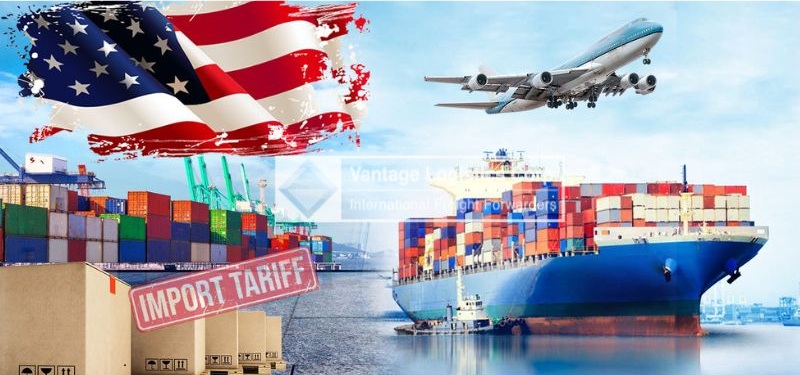
This suspension is not only a tactical move in the context of U.S. domestic politics but also serves as a test for countries to reshape supply chain structures, enhance internal capacities, and expand non-U.S. markets. For Vietnam, the next 90 days are not only a “golden time” to seize export opportunities, but also a test of policy responsiveness, bilateral negotiation capabilities, and positioning in the international trade landscape Proactive Directions for Vietnam Amid Global Trade Turbulence Less than half a day after the retaliatory tariffs initiated by U.S. President Donald Trump officially came into effect for 180 trade partners—including Vietnam—he unexpectedly announced a 90-day suspension. This move offers a “valuable pause” amid global trade tensions, creating a short-term opportunity for countries—especially developing economies like Vietnam. This suspension is not only a tactical move in the context of U.S. domestic politics but also serves as a test for countries to reshape supply chain structures, enhance internal capacities, and expand non-U.S. markets. For Vietnam, the next 90 days are not only a “golden time” to seize export opportunities but also a test of policy responsiveness, bilateral negotiation capabilities, and positioning in the international trade landscape. Vietnam is expected to proactively build flexible response scenarios to strengthen production capacity, manage supply chain risks, and promote export market diversification strategies: 1. Increasing Imports from the U.S. – A Sign of Political Goodwill Vietnam is expected to increase imports of certain strategic goods from the U.S. to demonstrate goodwill in bilateral trade relations: Proceeding with the purchase of 50 Boeing aircraft worth over USD 10 billion between Vietnamese airlines and U.S. partners, based on previously signed MOUs. Increasing imports of agricultural products such as soybeans, corn, pork, and wheat — according to the General Department of Customs, import value from the U.S. rose 18% in Q1/2024. Boosting LNG (liquefied natural gas) imports from the U.S. to secure energy supply. However, given Vietnam’s relatively modest GDP per capita, this is only a short-term, reactive solution that may not sustain a long-term trade balance. 2. Tax Incentives for U.S. Goods The Vietnamese government is considering reducing or exempting import tariffs on certain U.S. goods to support bilateral trade flow: Energy, liquefied gas, and electrical equipment — to aid energy transition. High-tech machinery, medical devices, and semiconductors — to serve manufacturing and healthcare industries. Functional foods and imported pharmaceuticals — to stabilize prices and diversify supply sources. These measures aim to create a more favorable trade environment with the U.S. amid ongoing tariff pressure. 3. Strengthening Origin Control (C/O) – Compliance to Sustain Export Markets In the long term, Vietnam is expected to tighten control over the origin of goods to prevent trade fraud and third-country transshipment. Enhancing standards and transparency in origin labeling is not only a requirement from the U.S. but also a condition for Vietnamese goods to remain competitive in major markets. Particularly for key export sectors like wood (with over USD 10.8 billion in exports to the U.S. in 2023), seafood, textiles, and electronics, Vietnam is tightening C/O issuance and control processes, promoting traceability to minimize risks of trade defense investigations or tariff impositions. 4. Developing Raw Material Industries – Attracting Investment, Reducing Import Dependence Facing pressure to restructure supply chains, Vietnam is actively attracting investment into supporting industries to reduce import dependency and increase production autonomy. This is a significant opportunity for both domestic and international investors, with various incentive policies expected soon. Development of yarn, fabric, and dyes for the textile industry, which exports over USD 18 billion to the U.S. Encouraging investment in microchips and components to meet demand from factories in provinces like Bac Giang and Bac Ninh. Supporting industries: Localities such as Long An, Quang Nam, and Hai Phong… are being zoned for industrial clusters to welcome a new wave of investment. In the context of volatile trade policies, Vantage Logistics stands alongside businesses with: Consulting on sourcing from Southeast Asia to diversify supply chains. Comprehensive logistics services: international transport – customs declaration – C/O control. Support in optimizing export-import processes to comply with new U.S. regulations and relevant FTAs. Contact us now for solutions tailored to your business’s new trade strategy....

10/04/2024

View More

Market updates

Viet Nam’s Export and Import 2023

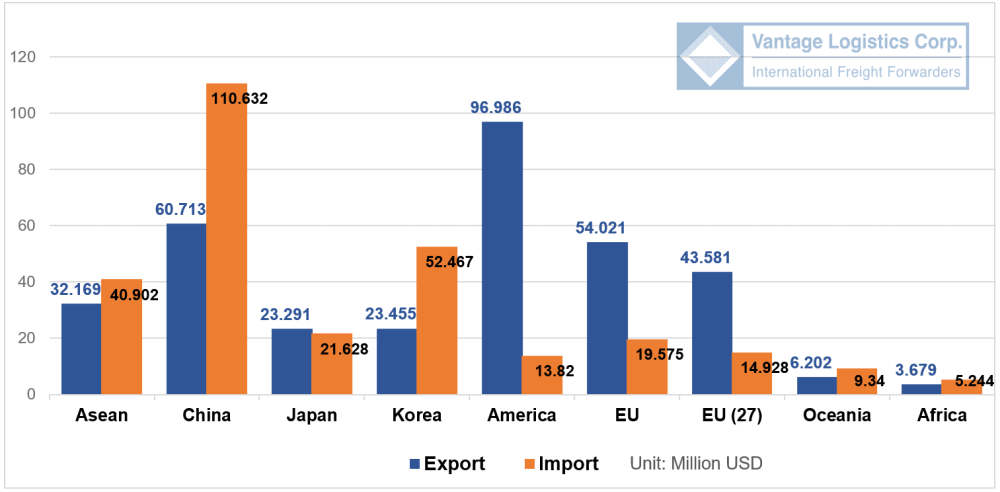
Vietnam’s total export value reached 354.67 billion USD, down 4.6%, equivalent to a decrease of 16.63 billion USD compared to the previous year. In particular, the export of goods by FDI enterprises in 2023 will reach 257.21 billion USD, down 6% (corresponding to a decrease of 16.42 billion USD) compared to 2022. 1. Overview: In 2023, Vietnam’s total import-export value of goods will reach 638 billion USD, down 6.6% (equivalent to a decrease of 92.2 billion USD) compared to 2022. Of which, the export value is 354.67 billion USD, decreased by 4.6%, equivalent to a decrease of 15.8 billion USD; Import value was 327.5 billion USD, down 8.9%, equivalent to a decrease of 31.4 billion USD. The trade balance of goods in 2023 will reach 28 billion USD. The General Department of Customs recorded the total import and export value of enterprises with foreign direct investment (FDI) to 466.27 billion USD, down 8% (equivalent to a decrease of 40.56 billion USD) compared to 2022. In particular, the export of goods of FDI enterprises in 2023 will reach 257.21 billion USD, down 6% (corresponding to a decrease of 16.42 billion USD) compared to 2022. Chart 1: Main export and import markets of goods in 2023 – Source General Department of Customs 2. Viet Nam import and export in 2023 Vietnam’s total import-export turnover with the Asia-Africa region is estimated at 458 billion USD, down 6.7% compared to 2022. The value of imports and exports between Vietnam and other continents are: America: 137.67 billion USD, down 10.6%; Europe: 73.6 billion USD, down 4.1%; Oceania: 15.54 billion USD, down 11.5%. Chart 2: Proportion of increase/decrease in Import and Export of goods compared to 2022 (%) 3.    Vietnam’s export of goods in 2023 Vietnam’s total export value reached 354.67 billion USD, down 4.6%, equivalent to a decrease of 16.63 billion USD compared to the previous year. Of which, machinery, equipment, tools, and other spare parts decreased by 2.62 billion USD; footwear of all kinds decreased by 3.66 billion USD; textiles and garments decreased by 4.27 billion USD; computers, electronic products, and components decreased by 5.61 billion USD; seafood decreased by 1.95 billion USD… Chart 3: Vietnam’s Largest Export Commodity Group 2023 Vietnam’s main export commodity groups in 2023: Phones and accessories: Exports reached 52.38 billion USD, down 9.7% compared to 2022. Of which, exports of this product group to the Chinese market reached 16.87 billion USD, an increase of 3.7%; America reached 7.9 billion USD, down 33.5%; EU reached 7.2 billion USD, up 7.5%; Korea reached 3.51 billion USD, down 30.5%… compared to the previous year. Computers, electronic products & components: Exports to the US reached 17.2 billion USD, up 6.8% over the previous year; China reached 13.5 billion USD, up 9.8%; EU reached 6.5 billion USD, down 14%; Hong Kong reached 5.54 billion USD, down 5.8%… Textiles and garments: Exports to the US reached 14.47 billion USD, down 16.7%; EU reached 3.86 billion USD, down 13.8%; Korea reached 3.05 billion USD, down 7.9%. Japan reaches 4.06 billion USD, equivalent to 2022. Footwear of all kinds: Exports reached 20.24 billion USD, down 15.3% (equivalent to a decrease of 3.66 billion USD) compared to the previous year. Exports to key markets such as the US reached 7.16 billion USD, down 25.5%; EU reached 4.91 billion USD, down 18.1%; China reached 1.87 billion USD, an increase of 9.4%… compared to the previous year. Wood and wood products: In the past year, exports of wood and wood products to the US market reached 7.31 billion USD, down 15.6% and accounting for 54% of the country’s total export value of this product group. Seafood products: Exports to the US reached 1.56 billion USD, down 26.9% (corresponding to a decrease of 57 million USD); Japan reached 1.52 billion USD, down 11.2% (equivalent to a decrease of 19 million USD); China reached 1.34 billion USD, down 15% (corresponding to a decrease of 23 million USD) and the EU reached 952 million USD, down 27.1% (corresponding to a decrease of 348 million USD) compared to the previous year. Vegetables and fruits: The export value of this product group reached 5.6 billion USD, an increase of 66.7% (equivalent to an increase of 2.24 billion USD) compared to the previous year. In 2023, exports will increase mainly due to a sudden increase in durian fruit exports (HS code 0810.60.00). Durian exports reached 2.1 billion USD, up to 1.82 billion USD compared to 288 million USD the previous year. Of which, mainly exported to China with 2.03 billion USD, accounting for 99.4% of the country’s total export value of this product group. Rice: The total amount of rice exported reached 8.1 million tons and the value reached 4.68 billion USD, an increase of 35.3% over the previous year. ASEAN is the main export market for Vietnamese rice, accounting for 61% of the country’s total rice exports. Specifically, rice exports to ASEAN reached 4.9 million tons, up 24% over the previous year. In addition, Vietnamese rice exports to other markets such as China reached 917 thousand tons, an increase of 8%; Ghana reached 587 thousand tons, an increase of 32.9% over the previous year. 4.    Vietnam’s import of goods in 2023 The total value of imported goods reached 326.37 billion USD, down 9.2% compared to 2022. Of these, the sharpest decrease was phones and components down 12.38 billion USD, and machinery, equipment, tools, and spare parts down 3.56 billion USD. billion USD; Automobile components and spare parts decreased by 1.73 billion USD; fabrics of all kinds decreased by 1.69 billion USD. However, computers, electronic products, and components are the only product group with an import increase of over 1 billion USD with a value of 87.96 billion USD, an increase of 6.1 billion USD compared to 2022. Chart 4: Vietnam’s Largest Import Commodity Group 2023 Vietnam’s main import commodity groups in 2023: Computers, electronic products, and components: Import value reached 88 billion USD, up 7.4% over the previous year. Mainly imported from markets: Korea reached 28.75 billion USD, up 23.9%; China reached 23.41 billion USD, down 2.7%; and Taiwan reached 10.18 billion USD, down 8%… compared to 2022. Fuel (including coal, crude oil, petroleum of all kinds, and liquefied petroleum gas): Imported 74.92 million tons of fuel, down 29.6% and reaching a value of 24.2 billion USD, down 4.7% over the year. 2022. Of which, coal of all types is 51.16 million tons, an increase of 61.4%, crude oil is 11.19 million tons, an increase of 9.7%; Petroleum of all kinds is 10.05 million tons, an increase of 13.3%; liquefied petroleum gas was 2.52 million tons, an increase of 27.9%. Mainly from countries: Australia reached 19.9 million tons, up 17.6%; Indonesia reached 19.35 million tons, an increase of 86.3%, Russia reached 4.37 million tons, an increase of 93% compared to 2022. Raw materials and accessories serving the textile, garment, leather, and shoe industries (including cotton, textile fibers, fabrics of all kinds, and raw materials for textiles, garments, leather, and shoes): Total import value reached 21.4 billion USD, down 14%, equivalent to a decrease of 3.9 billion USD compared to 2022. China is the largest market supplying this group of goods to Vietnam, accounting for 50%, with 12.75 billion USD, down 9.3% compared to 2022. Taiwan with 1.94 billion USD, down 25.4%; Korea with 2.18 billion USD, down 13.9%; United States with 1.32 billion USD, down 26.2%.. Phones and components: Import value reaches 8.75 billion USD, down 58.5% compared to 2022. China is the largest market supplying these two product groups with a value of 7.29 billion USD, down 9.5%; followed by the Korean markets with 524 million USD, down 95.4%; India with 74 million USD, an increase of 8 times compared to 2022. Completely Built-Up Car: The number of imported all types is 118,942 units, down 31.5% compared to 2022. Cars with over 9 seats, in 2023, Vietnam will only import 40 cars. Imported CBU cars of all types mainly originate from Thailand and Indonesia, accounting for 75% of the country’s total imports. Of which Thailand is 53,942 units, down 18.1%; Imports from Indonesia are 42,676 units, down 41.3% compared to 2022. Wheat, corn, soybeans, and animal feed: Imports of this product group are 10.55 billion USD, down 10%, equivalent to a decrease of 1.17 USD compared to last year. Mainly imported wheat, corn, soybeans, and animal feed from main markets: Brazil reached 2.83 billion USD, up 18.4%; Argentina reached 2.31 billion USD, down 38.3%, the US reached 1.36 billion USD, up 4.2% compared to 2022. Iron and steel of all kinds: Imported 15.78 billion USD of iron and steel of all kinds and products, down 8.9% compared to 2022. Of which, iron and steel products of all kinds reached 13.33 million tons, up 14.1% in volume but Because the unit price decreased by 23.3%, the import value only reached 10.43 billion USD, down 12.5% compared to the previous year. Mainly from markets: China reached 9.1 billion USD, up 9.1%; Japan reached 1.86 billion USD, down 19.2% and Korea reached 1.79 billion USD, down 16.3%. Source: General Department of Customs, Ministry of Industry and Trade...

05/04/2024

View More

Market updates

The Port of Baltimore Suspended operations after the Bridge collapse, which may affect the supply chain and increase in shipping rates to the United States

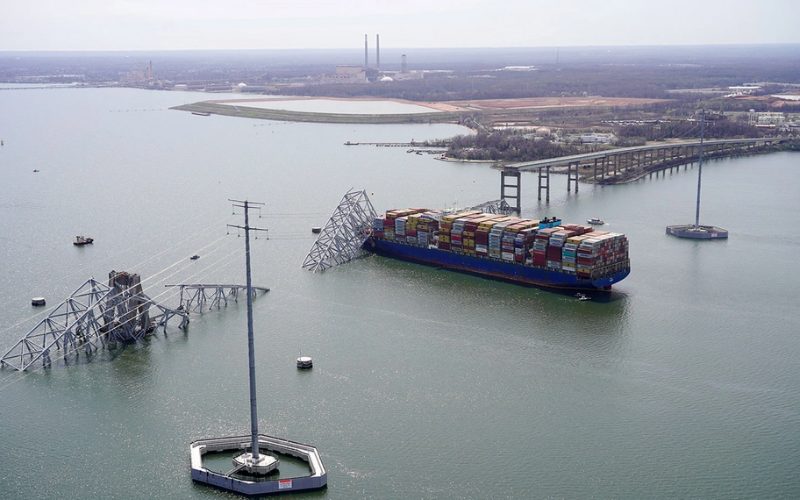
Baltimore port is one of the major import and export hubs on the East Coast of the US facing paralysis due to the suspension of operations after an accident with a series of trucks and container ships stuck. In the early morning of March 26, 2024, the container ship DALI (being operated by Maersk) departed from the port of Baltimore, Maryland (USA) to Colombo, Sri Lanka, but had trouble with the engine, completely lost power and stalled, leading to loss of control and crashing into the abutment of the Francis Scott Key bridge, Baltimore, causing serious consequences. Baltimore port is facing paralysis due to suspension of operations after an accident with a series of trucks and container ships stuck. Mister Larry Hogan – Maryland’s governor has declared a state of emergency and is deploying federal resources to handle the situation. Baltimore port is one of the major import and export hubs on the East Coast of the US, so this incident is expected to create disruptions in the transportation of goods and could affect the supply chain of goods across the United States. While neighboring ports may be able to assist, capacity issues could cause supply chain difficulties. According to the update, major shipping lines such as MSC, MSK, ZIM, and CMA have temporarily stopped receiving goods at Baltimore port and proposed to use alternative ports such as New York or Norfolk. These decisions lead to increased ship freight prices, due to disruptions in the supply chain. Recently some shipping lines have announced an increase in freight rates for the first half of April about $200-500/box. Vantage will support our customers who were impacted by this lamentable incident in planning and booking alternative transportation and routes. We will keep you informed as the situation develops....

29/03/2024

View More

Market updates

Two major bottlenecks and the risk of imbalance in the global supply chain

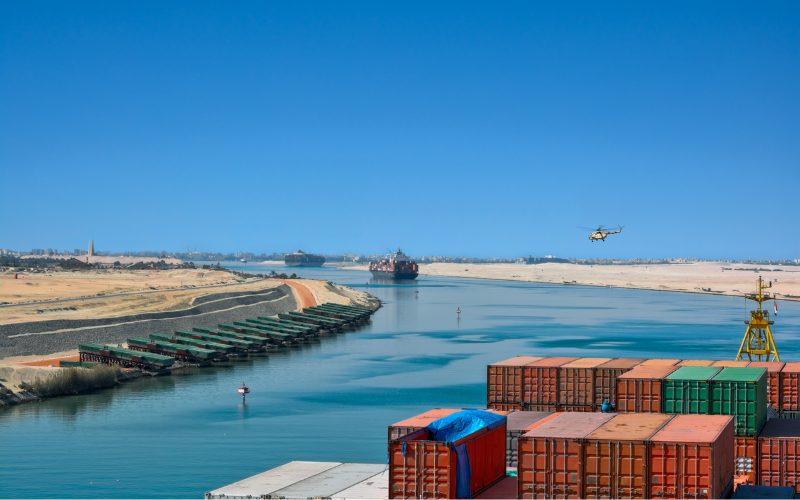
The imbalance in the logistics supply chain may lead to difficulties for cargo owner when facing with rising transportation costs in both inbound materials for production and outbound finished products to foreign markets. Houthi rebels have attacked on cargo vessels passing through the Suez Canal (connecting the Mediterranean with the Red Sea) since November 2023 is the first main bottleneck in the supply chain of the Asia-Europe corridor. To avoid the risk of being attacked, most shipping lines including MSC, CMA, Maersk, ONE, Evergreen, Hapag-Lloyd, and so on …have changed their routes to go pass Africa’s Cape of Good Hope with longer transit time (about 10-15 days compared to the Suez Canal transit schedule) and higher transportation cost (on some routes, ocean freight rates have been increased sharply by 100 – 300%). Vessels passing through the Suez Canal. (Collected image) The second major bottleneck is the limitation of vessels passing the Panama Canal currently. In October 2023, this artificial canal connecting the Pacific and Atlantic Oceans encountered a severe drought although dry season in Panama is usually from December to April of the following year. The Asia – East Coast US corridor is facing the risk of disruption when vessels passing here have to wait for many days. Due to the drought, since November 2023, the number of vessels passing through the canal has been cut from 32 vessels/ day to 24 vessels/ day, and will only be 18 vessels/ day from February 1, 2024 (Source: https://pancanal.com/). Vessels passing through the Panama Canal. (Collected image) The risk of blockage in both the Suez and Panama canals at the same time seriously affects the international supply chain in both the Asia-Europe and Asia-North America corridors. The change in longer shipping routes will lead to an imbalance of empty containers for export markets in Asia in the short term (in the next few weeks) due to returned vessels being severely late compared to the original schedule. That leads to a shortage of empty container supply for shippers in the coming periods. In addition, some shipping lines are likely to shift vessels from the less affected markets to the European, and USA markets to meet these regions’ cargo transport needs. The possibility of shifting vessels from Asia through the East Coast (USA) to the West Coast (USA) will cause a shortage of transport supply capacity for the East Coast, USA. The imbalance in the logistics supply chain may lead to difficulties for cargo owners when facing rising transportation costs in both inbound materials for production and outbound finished products to foreign markets. To promptly respond to the above situation, almost all shipping lines and logistics providers are looking for alternative routes, and solutions to limit the impact and disruption of the global supply chain. At Vantage, we find and update alternative routes of shipping lines invariably to our customers with more choices at commitment: always accompany customers and partners in overcoming arduous and volatile periods of the transportation market. We are always ready to listen and solve your logistics needs. Hotline: +84 909 026 261, Email: info@vlc.com.vn...

08/01/2024

View More
1 2 3 4