简体中文
简体中文 Tiếng Việt
Waste-to-energy sector
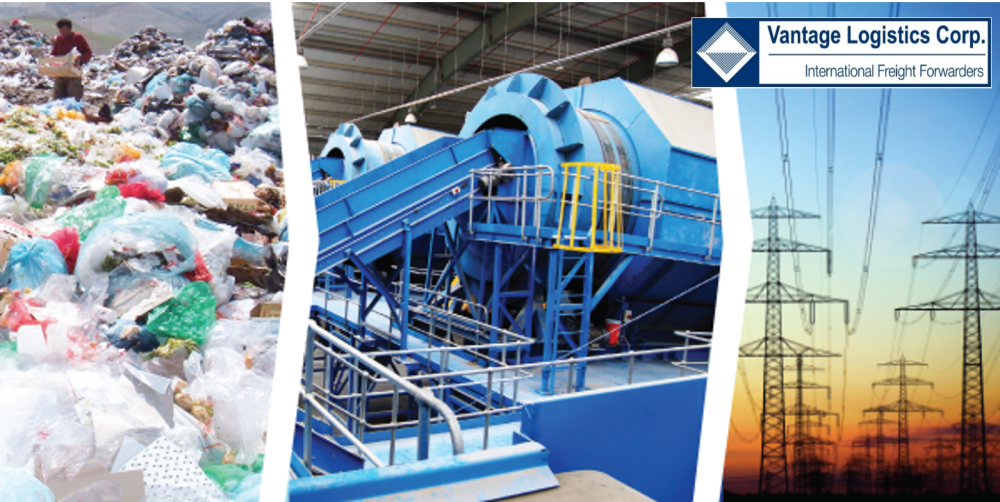
The potential for energy generated from biomass and solid waste is around 2000 MW and 320 MW respectively. However, current installed capacity is much less at 352 MW and 2.4 MW for biomass and solid wastes respectively.
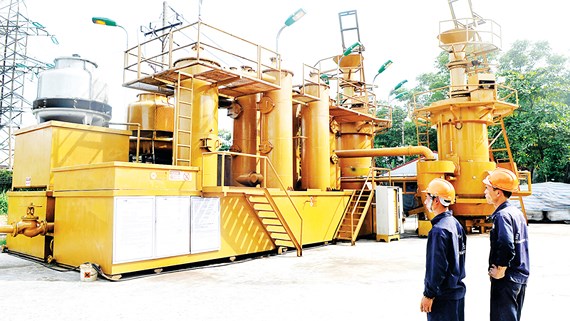
Future projects are focusing on increasing the number and capacity of waste-to-energy plants in Hanoi, Ho Chi Minh City, and Mekong Delta. Some of the major investors include Hitachi Zosen Corporation, Watrec Ltd, and Trisun Green Energy Corporation.
Opportunities
Viet Nam plans to reduce greenhouse gas emissions by 5% by 2020, 25% by 2030, and 45% by 2050. With the rise in urbanization and electricity consumption, clean energy offers an environmental-friendly solution to meet the growing demand. Local firms lack the technical expertise and capital, and this presents an opportunity for investors.
Some of the opportunities are in:
- Machinery/Equipment – collection and sorting equipment, waste processing equipment, and incinerators;
- Technical expertise – processing and recycling technologies, waste management solutions, plant design and engineering solutions;
- Funding and financing – investing capital in upcoming and existing plants, and working with engineering firms and municipal governments.
- Logistics consultant, shipping and logistics services to project owners, EPCs, vendors
Government policies
The Viet Nam government has implemented numerous policies for domestic as well as foreign firms involved in waste-to-energy projects. The major regulations are mentioned in Decision 31/2014/QD-TTg, Circular 32/2015/TT-BCT, and Decree 118/2015/ND-CP.
- Decision 31 – stipulates the supporting mechanism or development of power generation projects using solid waste;
- Circular 32 – deals with the development of grid-tied generation projects using solid wastes and provides a model electricity sale contract for projects using solid wastes in Viet Nam; and
- Decree 118 – deals with investment incentives and schemes in various sectors including construction of concentrated solid waste treatment zones and collection, treatment, recycling, and reuse of waste.
The feed-in-tariff for power generation projects using solid waste is 10.05US cents per kWh (direct burning) and 7.28 U.S. cents per kWh (burning of gases from landfills). Incentives include tax holidays, exemption of import duties for equipment, land rent exemptions, and low-interest loans.
Conclusion
Although the potential of solar and wind energy is much higher than solid wastes in Viet Nam, waste-to-energy projects have a two-fold benefit: It helps in generating energy and the processing of waste, which has grown exponentially in urban Viet Nam.