Blog
VANTAGE LOGISTICS CONTINUES TO ADVANCE THE 17 UNITED NATIONS SUSTAINABLE DEVELOPMENT GOALS (17 SDGs)
In an era defined by environmental, social and economic challenges, Vantage Logistics reaffirms its long-term commitment to building a modern, efficient and future-friendly logistics ecosystem.
The year 2025 marks a critical juncture — the global community is entering the decisive phase to achieve the 17 Sustainable Development Goals (SDGs) set by the United Nations. With only five years remaining before the 2030 deadline, the world faces unprecedented development challenges, including climate change, inequality, financial instability and resource scarcity.
According to the 2025 SDG Progress Report, only 35% of targets show clear advancement, while 18% are regressing. This underscores the urgent need for stronger, more coordinated action from both governments and businesses worldwide.
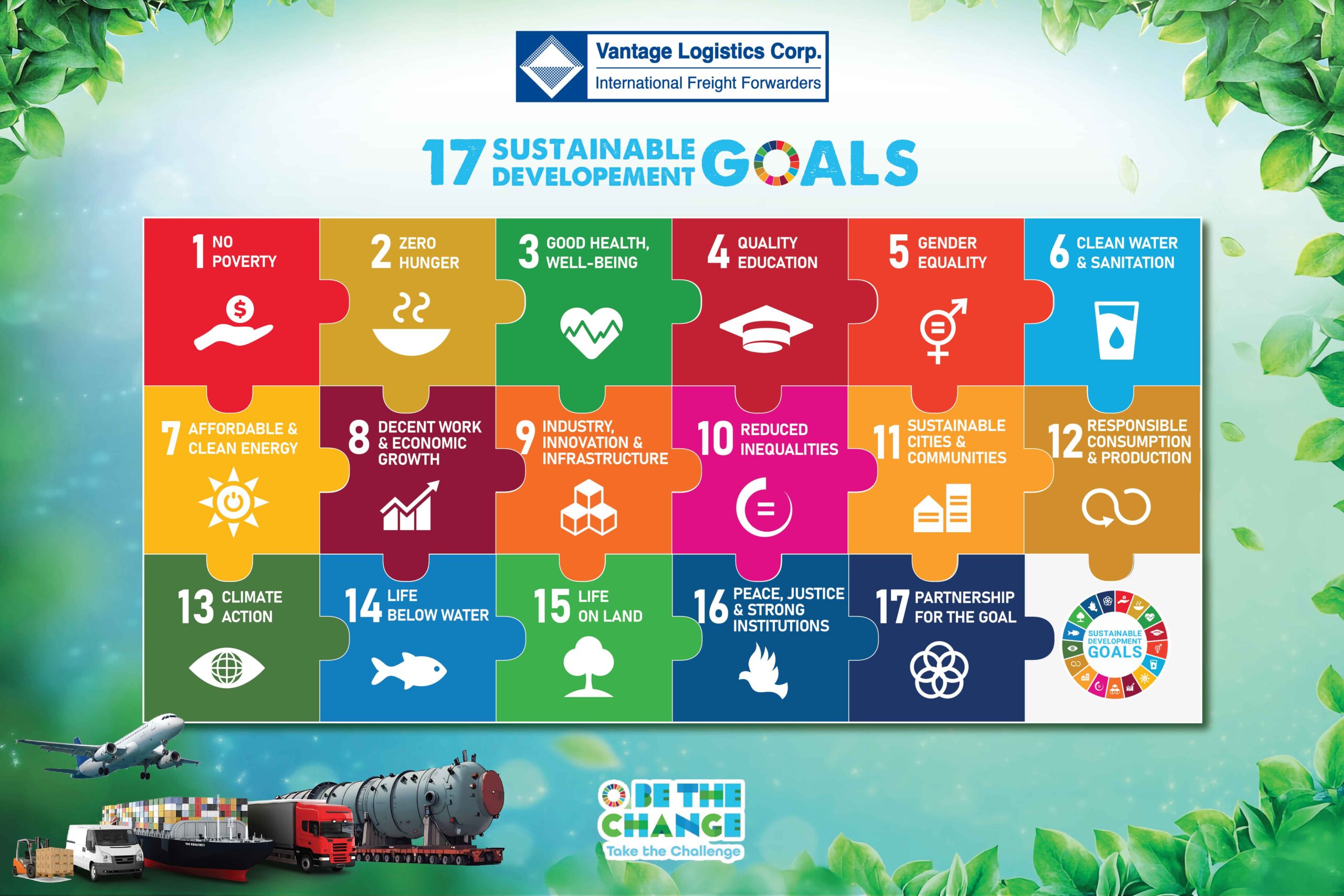
THE 17 SUSTAINABLE DEVELOPMENT GOALS (17 SDGs)
Since 2015, Vantage Logistics has aligned its business strategy with the 17 SDGs, embedding sustainability, social responsibility and long-term community value into its operations. As a key player in the logistics sector – a critical link in the global supply chain – Vantage actively drives initiatives such as carbon emission reduction, digital transformation, workforce development and community engagement, contributing to the realisation of the following goals:
1. GOAL 1 – NO POVERTY – END POVERTY IN ALL ITS FORMS EVERYWHERE
End poverty in all its forms everywhere
Viet Nam has made remarkable progress in poverty reduction over the past 30 years. To further this effort, the government launched the National Target Program on Sustainable and Inclusive Poverty Reduction (2021–2025) under Decision No. 90/QĐ-TTg (2022).
This achievement reflects improved living conditions for millions and lays the foundation for narrowing income gaps and promoting inclusive growth.
2. GOAL 2 – ZERO HUNGER
Achieve food security and promote sustainable agricultureOnce a food-insecure country, Viet Nam has become one of the world’s leading rice exporters. The Prime Minister issued Decision No. 804/QĐ-TTg to establish the National Steering Committee for the “Zero Hunger” Action Program (2014–2025).Since then, economic and social infrastructure in poor regions, especially in rural, mountainous, and ethnic minority areas, has received strong investment. Income and living conditions have gradually improved, moving closer to the minimum living standard.
3. GOAL 3 – GOOD HEALTH & WELL-BEING
Ensure healthy lives and promote well-being for allThis goal aims to ensure healthy lives and promote well-being for all at all ages. Viet Nam is working to end preventable child deaths, control AIDS, tuberculosis, malaria, waterborne and non-communicable diseases, and reduce traffic accidents and substance abuse. Resolution No. 20-NQ/TW (2017) affirms the commitment to improving life expectancy, health, physical stature, and quality of life.All citizens are entitled to equal protection, care, and access to health insurance.
4. GOAL 4 – QUALITY EDUCATION
Ensure inclusive and equitable quality education for allViet Nam ranks among the top 40 countries with general education comparable to OECD standards, top 70 in higher education, and around 90th in vocational training. According to the World Bank (2020), Vietnam’s Human Capital Index for education ranks 15th globally, on par with New Zealand, the Netherlands, and Sweden.Key education indicators:
99% of 6-year-olds enrolled in Grade 1
92.08% completion rate for primary education – among the top in ASEAN
In SEA-PLM 2019, Vietnamese primary students ranked top in ASEAN in Reading, Writing, and Mathematics
Quality education plays a crucial role in fostering human development, reducing regional disparities, and enhancing adaptability in a modern, dynamic society.
5. GOAL 5 – GENDER EQUALITY
Achieve gender equality and empower women and girls
The proportion of women in the Quốc hội Việt Nam reached 30.26% in 2021, higher than the global average. In 2022, 69% of women participated in the labour force – one of the highest rates in Asia. Việt Nam has maintained a low gender gap in education and healthcare. The Government has enacted the Law on Gender Equality and the revised Law on Domestic Violence Prevention and Control, while implementing programmes that support women’s entrepreneurship, leadership, and access to finance.
Gender equality is a driver of social development, enabling the effective utilisation of a diverse and innovative workforce.
6. GOAL 6 – CLEAN WATER & SANITATION
Ensure access to clean water and sanitation
Viet Nam is actively advancing Goal 6 with strong support from the government and international partners. Numerous programs have been launched to ensure access to clean water and safe sanitation, especially in rural and disadvantaged areas. The government issued Resolution No. 136/NQ-CP to promote sustainable development through improved water infrastructure, sanitation systems, and public awareness.
Clean water and sanitation are not only basic human needs but also play a critical role in protecting public health, reducing disease, and improving quality of life – contributing to both community well-being and environmental protection.
7. GOAL 7 – AFFORDABLE & CLEAN ENERGY
Ensure access to sustainable and modern energy
By 2022, 99.7% of Vietnam’s population had access to electricity, including over 99% in rural areas. Renewable energy accounted for approximately 30% of total power capacity, including solar, wind, and small-scale hydropower. To advance energy transition and promote sustainable development, the Prime Minister of Viet Nam issued Decision No. 622/QĐ-TTg on the National Action Plan and Decision No. 681/QĐ-TTg on the Implementation Strategy.
Expanding clean energy helps reduce emissions, enhance energy independence, and drive green economic growth.
8. GOAL 8 – DECENT WORK & ECONOMIC GROWTH
Promote sustained, inclusive and productive economic growthTo advance SDG 8, Viet Nam has shown strong commitment to tackling unemployment and promoting decent work. The government issued Resolution No. 136/NĐ-CP (2020), ratified 7 out of 8 ILO conventions, and implemented major labor law reforms. These efforts aim to expand employment opportunities, support the development of a modern market economy, and leverage national strengths to catch up with regional and global progress.
9. GOAL 9 – INDUSTRY, INNOVATION & INFRASTRUCTURE
Build resilient infrastructure and foster innovationIn 2023, Viet Nam had over 1,400 km of expressways, with a target of reaching 5,000 km by 2030. Seaports, airports, and logistics hubs have been expanded to enhance both domestic and international connectivity. The Government is accelerating digital transformation, developing high-tech industries, and investing in R&D, which accounts for 0.5% of GDP. Public–private partnership (PPP) models are playing a key role in mobilising social capital, fostering green and sustainable growth.
10. GOAL 10 – REDUCED INEQUALITIES
Reduce inequality within and among countriesViet Nam’s GINI coefficient – a key indicator of income inequality – remained at 0.373 in 2022. The poverty rate among ethnic minority households fell to 18.3% in the same year, reflecting steady progress in narrowing income disparities. The Government has implemented broad policies to support disadvantaged regions, expand social welfare, and improve access to education for vulnerable groups. These efforts contribute to building a fairer and more inclusive society.
11. GOAL 11 – SUSTAINABLE CITIES & COMMUNITIES
Make cities inclusive, safe and sustainableVietnam’s urban population reached 41.7% in 2023 – rapid urbanisation is creating strong development momentum but also intensifying pressure on infrastructure, the environment, and climate resilience.The Government is implementing the National Urban Development Strategy, focusing on the development of smart cities, green spaces, and modern public transport systems. Major cities such as Ha Noi, Da Nang and Ho Chi Minh City are adopting integrated planning approaches to build more sustainable, liveable, and climate-adaptive communities.
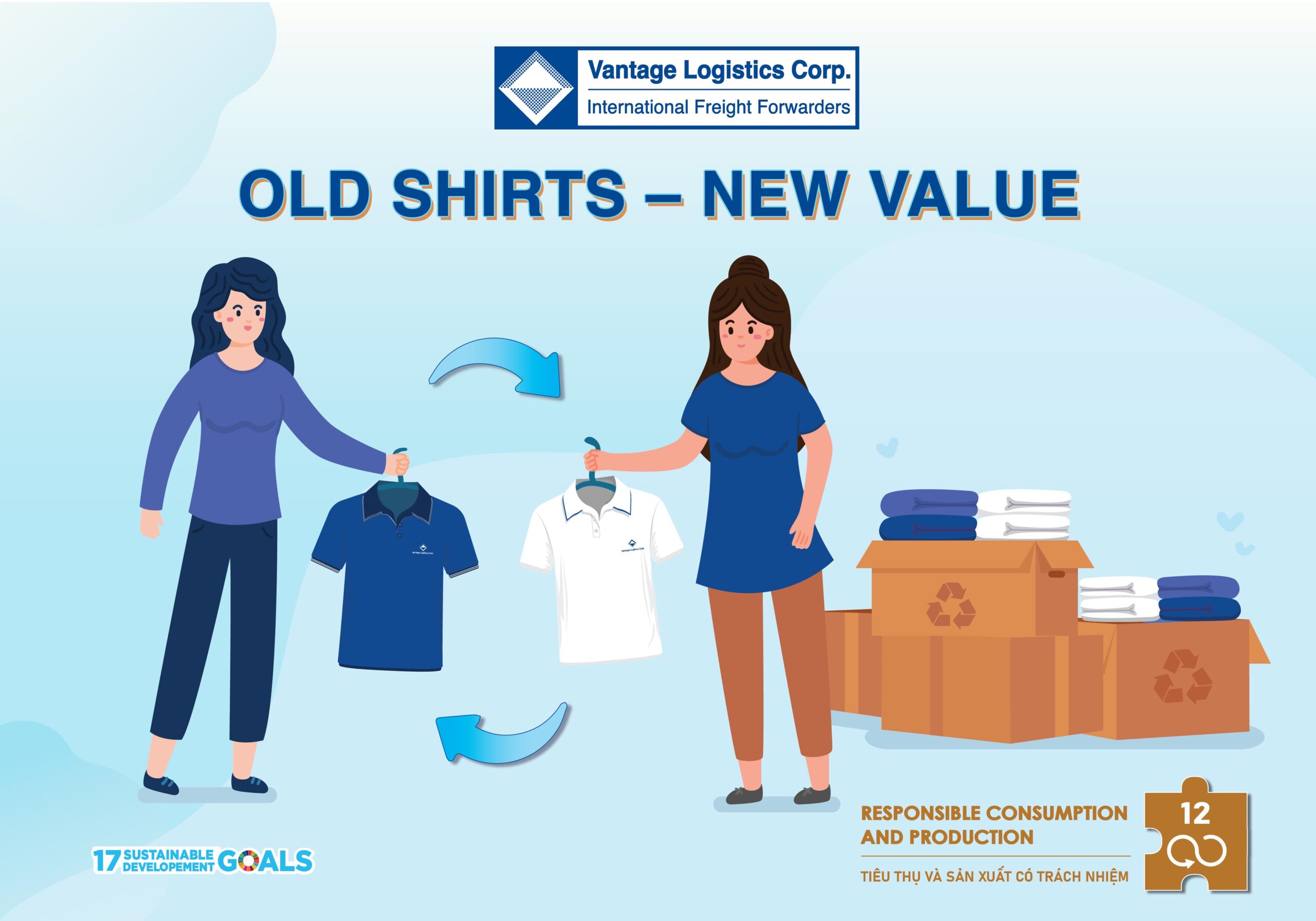
12. GOAL 12 – RESPONSIBLE CONSUMPTION & PRODUCTION
Ensure sustainable consumption and production patternsIn Viet Nam, approximately 70% of greenhouse gas emissions come from the energy, manufacturing, and consumption sectors. To address this challenge, the Government has introduced the Green Growth Strategy and the Circular Economy Action Plan 2021–2030, encouraging businesses to upgrade technology, recycle and reuse resources, and reduce waste.Notably, Extended Producer Responsibility (EPR) regulations have come into effect, requiring companies to actively participate in the collection and treatment of post-consumer products.These measures support the transition towards a resource-efficient, environmentally responsible, and sustainable economy.
13. GOAL 13 – CLIMATE ACTION
Take urgent action to combat climate changeViet Nam is among the 10 countries most severely affected by climate change. In 2023, economic losses from natural disasters were estimated at VND 10 trillion, with millions of people impacted by floods, droughts, and saltwater intrusion. The Government has pledged to achieve net-zero emissions by 2050, while implementing the National Climate Change Strategy and the National Adaptation Plan to 2030. Key initiatives include investments in renewable energy, disaster risk management, and enhanced early warning systems.
14. GOAL14 – LIFE BELOW WATER
Conserve and sustainably use ocean resourcesViet Nam has a coastline of over 3,200 km, playing a strategic role in economic development. However, 60% of nearshore coral reefs are degraded, and an estimated 0.28–0.73 million tonnes of plastic waste enter the ocean each year. To address this, the Government has enacted the amended Environmental Protection Law and the National Action Plan on Ocean Plastic Waste to 2030, aiming to reduce 75% of marine plastic waste.In parallel, marine biodiversity conservation, expansion of coastal protected areas, and promotion of a sustainable blue economy are being implemented to safeguard marine resources for future generations.
15. GOAL 15 – LIFE ON LAND
Protect, restore and promote sustainable ecosystemsViet Nam ranks among the 16 most biodiverse countries in the world. However, according to the 2023 report by the Ministry of Agriculture and Rural Development, natural forests continue to face mounting pressure from economic development and climate change. While the forest coverage rate reached 42.02% in 2023, the quality of many critical ecosystems has declined.To address this, the Government has rolled out the National Biodiversity Strategy to 2030, with a Vision to 2050, focusing on conserving special-use forests, restoring degraded ecosystems, and strengthening forest protection measures.Community-based forest management, reforestation initiatives, and mangrove restoration programmes are helping to maintain ecological balance and safeguard terrestrial natural resources.
16. GOAL 16 – PEACE, JUSTICE & STRONG INSTITUTIONS
Promote peaceful and inclusive societiesAccording to the World Justice Project Rule of Law Index 2023, Viet Nam ranked 86th out of 142 countries, reflecting steady progress in administrative reform, transparency, and the efficiency of public institutions. The Government has advanced digital transformation in public administration, expanded online public services, and enhanced citizen feedback and oversight mechanisms.Key national programmes on anti-corruption, judicial reform, and law enforcement capacity building are being implemented to foster a fair, stable, and trustworthy governance environment.
17. GOAL 17 – PARTNERSHIPS FOR THE GOALS
Strengthen global partnerships for sustainable developmentGoal 17 highlights the importance of building strong partnerships and global collaboration. Every individual and organization plays an active role in achieving the Sustainable Development Goals, helping to create a unified international community. This requires effective coordination and connectivity across: Finance, Technology, Capacity building, Trade
Viet Nam actively engages in global initiatives such as JETP, green finance, and fair trade, while promoting public–private partnerships (PPP) to mobilize international resources and knowledge.Multidimensional cooperation is key to addressing global challenges and shaping a sustainable future.
Global commitments only create real impact when translated into practical, measurable actions. For Vantage Logistics, sustainability is not a slogan – it is embedded in daily operations.
Vantage Logistics – Action and Commitment
Vantage Logistics chooses sustainable development not only for business benefits, but for the shared prosperity of society. We believe that every action we take today – from optimising transport routes and investing in greener infrastructure to empowering people and strengthening partnerships, every decision is a deliberate step towards a more sustainable future.
“Sustainable growth is not an option — it is our responsibility.”...