简体中文
简体中文 Tiếng Việt
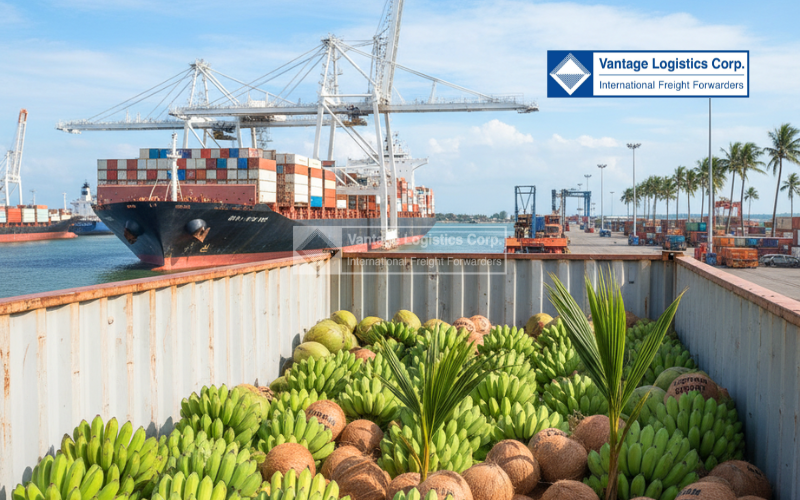
China, a country of more than 1.4 billion people, has a huge demand for fruits, of which tropical fruits are accounting for 30 million tons/year while Bananas take 50% of these, about 15 million tons/year.
Previously, China’s main tropical fruit growing areas were Yunnan, Hainan, Western Guangdong, and Guangxi provinces. Recently, due to climate change, culturing areas in China have been shrinking and could only be harvested in the summer. In order to meet consumer demand, China had to switch to growing crops or buying tropical fruits from Southeast Asian countries, of which Vietnam, Laos, and Cambodia are the major suppliers because of good soil and planting. These fruits suit Chinese consumers’ tastes, and are geographically advantageous, so the transportation costs are quite suitable.
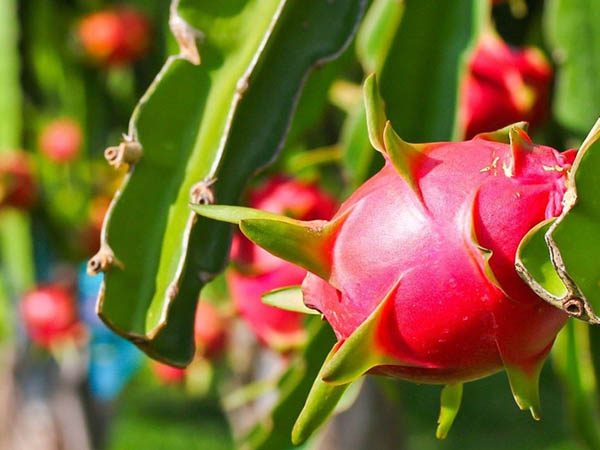
Dragon fruit, jackfruit, etc… are also the main export fruits to China
Regardless of this, the export of fruits to China by Vietnam – Laos, and Cambodia is challenging though, especially during the 19 COVID season.
The first difficulty is the transport route. Since Cat Lai port, Ho Chi Minh City holds major container cargo volume, especially reefer containers, all of the goods go through Cat Lai port causes continuous congestion and only a small incident like a ship missing her berth schedule 1-2 days, a collision in the channel immediately create big congestion which makes the entire operations delay, trucks, barges, vessels cannot load/discharge being under detention and cannot perform the next trip, causing the sequential effect to harvest, shipping, export plan… while fruits are perishable commodities that need fast delivery.
The third difficulty is the cost. Of course, a longer distance will definitely take a longer travel time with a higher cost, adding to that, congestion in port insert a lot of idling time in a round trip. When vehicles cannot optimize the operation, obviously transportation costs will be high.
After several months providing logistics solutions for the fruit market, Vantage immediately made many adjustments and reorganized the supply chain to help fruit producers and exporters reduced logistics costs from 8 to 15%, increased the competitiveness of Southeast Asian fruits in the China market.
Thanks to the enthusiasm, extensive knowledge, good practical knowledge, high determination and active cooperation of customers, especially Hoang Anh Gia Lai Group, port partners, especially Quy Nhon port, truck owners, shipping lines… the first voyages always exceeded the committed volume by nearly 100%, demonstrating the effectiveness of the solution, all participating partners were satisfied.
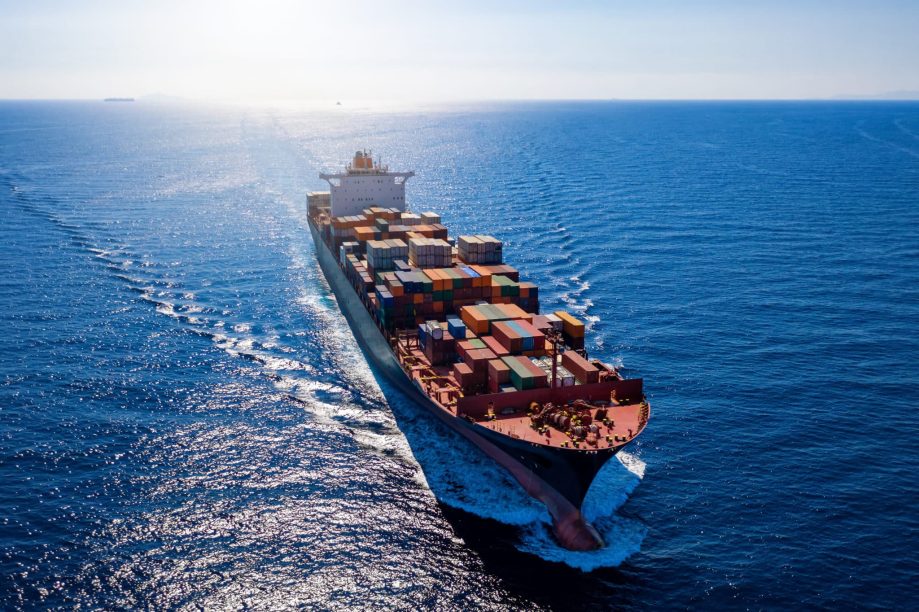
The direct service from Qui Nhon Port to China opening up prospects for even more success for the business as well as increase the competitiveness of Vietnamese fruits exporting to China market
From this success, this new and efficient transport route has attracted many other import and export customers in the Central and Highlands, Northern Cambodia and Southern Laos, not only between Vietnam – Laos – Cambodia, and China but also other Northeast Asian countries. Manufacturers and traders of fertilizers, agricultural materials, wood chips, wood pellets, tapioca starch … are very excited because the transport time is significantly reduced compared to the previous period, and the cost also significantly reduced, opening up prospects for even more success for the business.
Contact us for more detail and get free quote:
– Ms. Florence / Email: florence-vn@vantage-logistics.com.vn
– Ms. Cindy / Email: cindy-vn@vantage-logistics.com.vn