Vantage Logistics – Equipment Transportation Partner for Waste-to-Energy Plants: Collaborating to Revive a Green Future
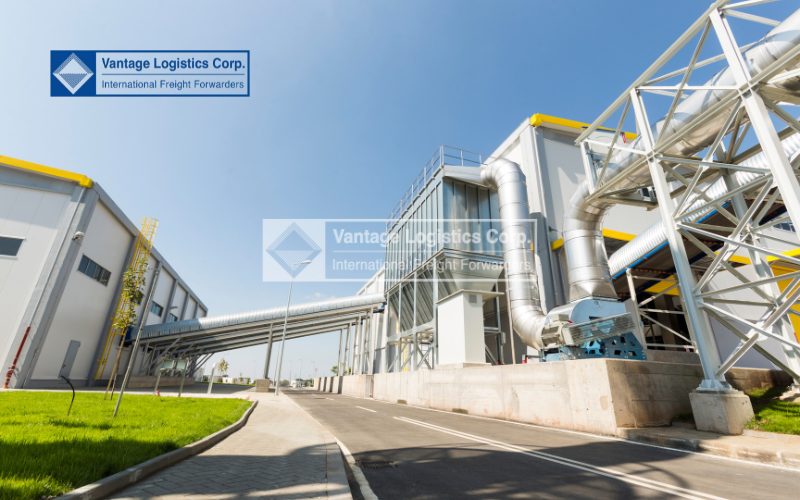
In response to this growing challenge, the waste-to-energy (WTE) model is emerging as a strategic solution – converting waste into clean, renewable energy. In many localities such as Hanoi, Ho Chi Minh City, Hue and Phu Tho, waste-to-energy plants have already been launched or are under construction.
This is also a golden opportunity to develop specialised logistics solutions to support the rapidly advancing renewable energy sector.
What is Waste-to-Energy and Its Outstanding Benefits?
Waste-to-energy refers to the process of converting waste into electricity through technologies such as incineration and gasification. Instead of being landfilled, waste is combusted to generate steam, which drives steam turbines connected to generators, thereby producing electrical power.
This technology offers numerous advantages:
Waste Reduction: Treats up to 80-90% of waste volume, alleviating the burden on overloaded landfills.
Renewable Energy Production: Transforms “waste” into clean, stable electricity, diversifying the energy supply portfolio.
Pollution Control: Modern plants are equipped with advanced flue gas treatment systems, ensuring emissions meet environmental standards while minimizing odors and harmful agents.
Resource Recovery: Metals are recyclable, and ash residues can be used as construction materials, promoting a circular economy.
Job Creation: Contributes to local economic development through plant construction and operation.
Vantage Logistics: Committed to Sustainable Development – Partnering to Build a Green Future
Businesses play a pivotal role in achieving sustainable development goals. Vantage Logistics, a leading logistics provider, is actively realizing its commitment to sustainability by supporting and aligning with the United Nations’ 17 Sustainable Development Goals (SDGs). Vantage Logistics prioritizes not only operational efficiency but also social responsibility, focusing on goals such as Affordable and Clean Energy (SDG 7), Sustainable Cities and Communities (SDG 11), Responsible Consumption and Production (SDG 12), Climate Action (SDG 13).
Supporting advanced solutions like waste-to-energy aligns perfectly with Vantage Logistics’ corporate philosophy and deep commitment.
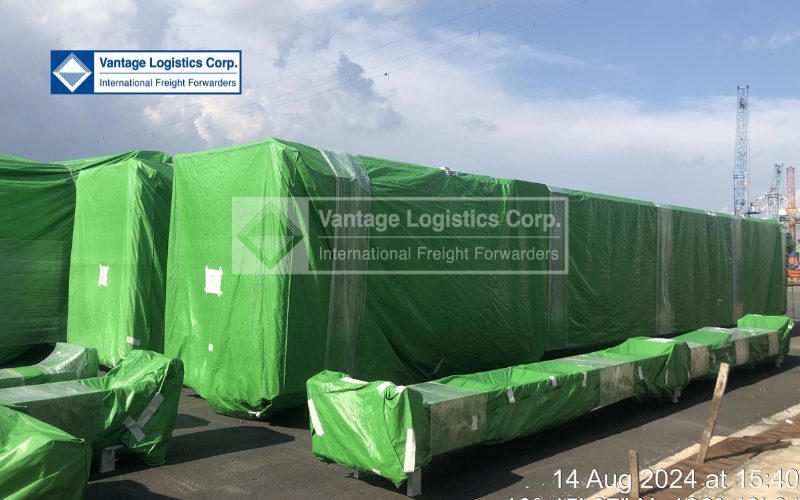
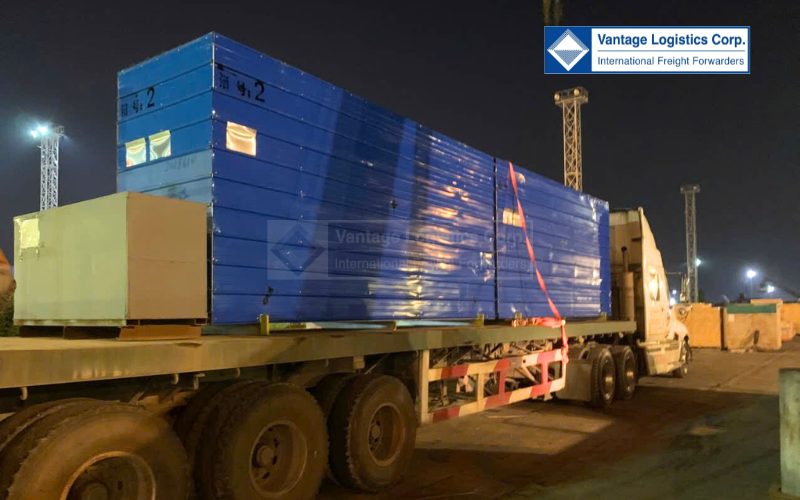
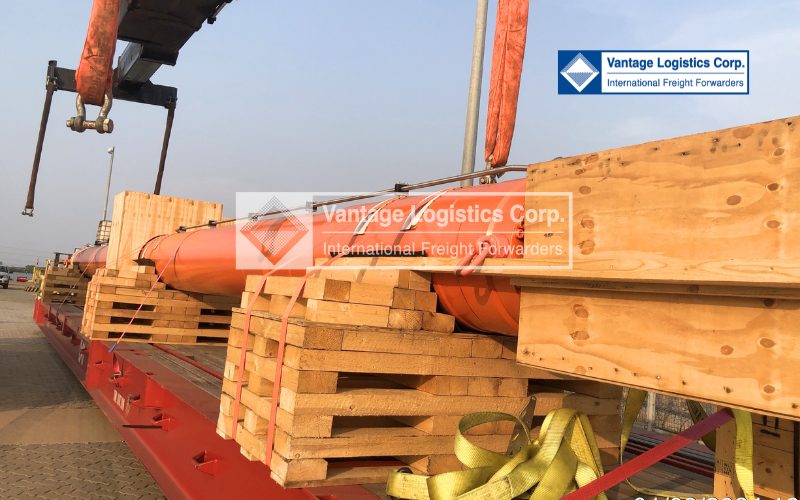
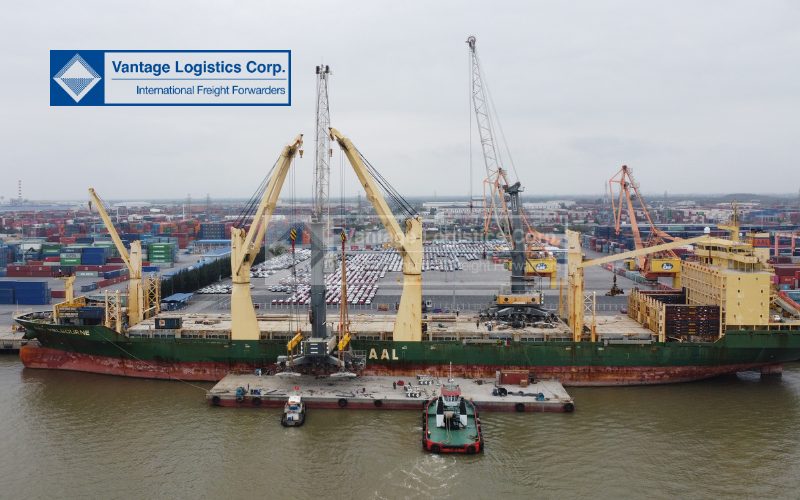
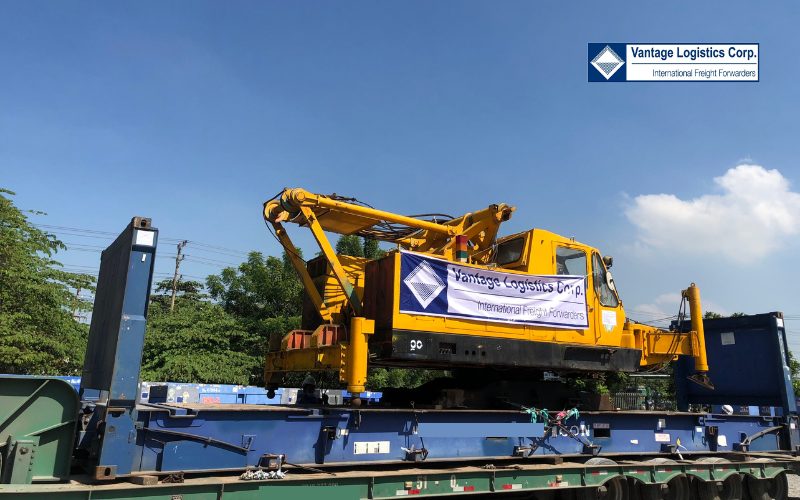
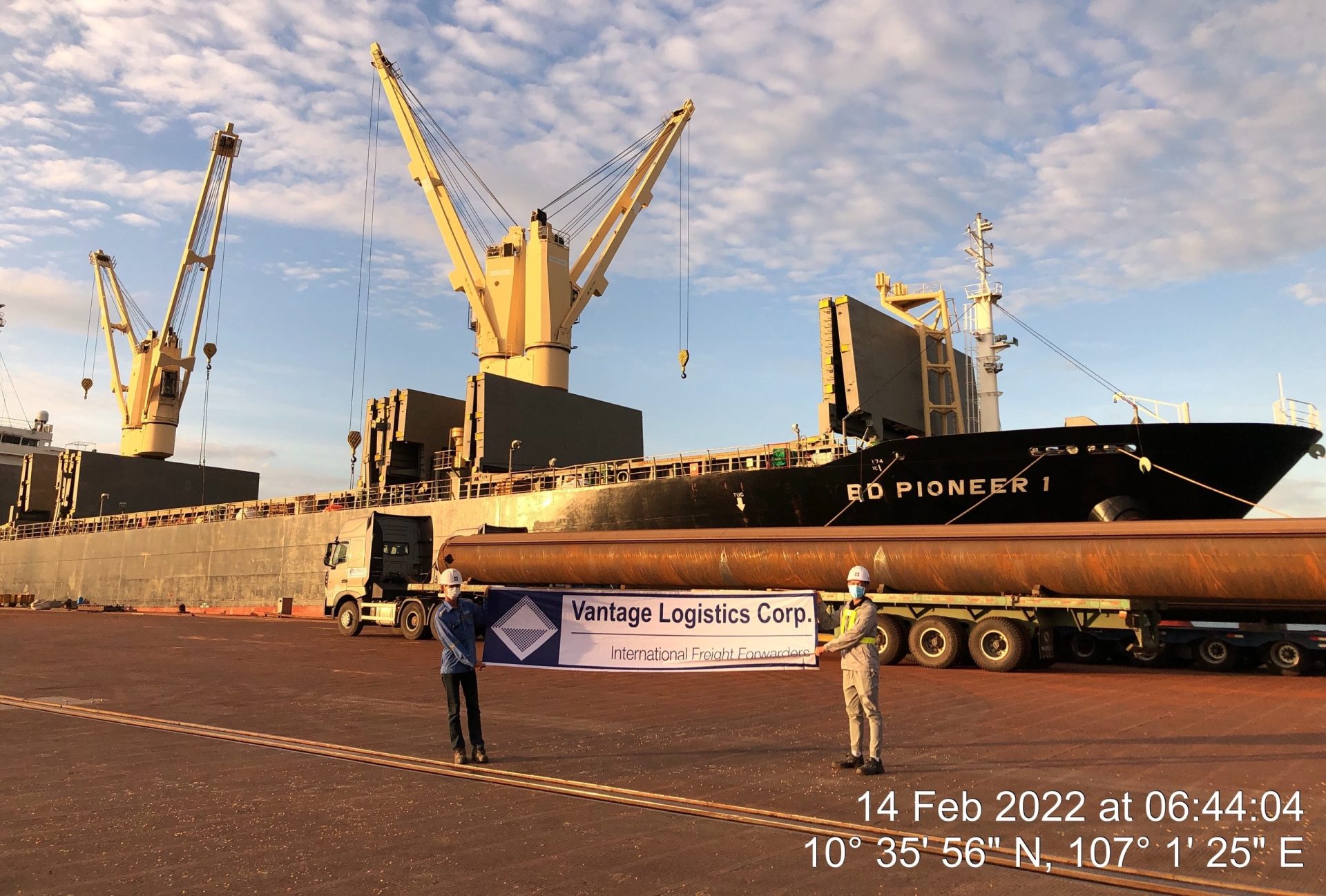
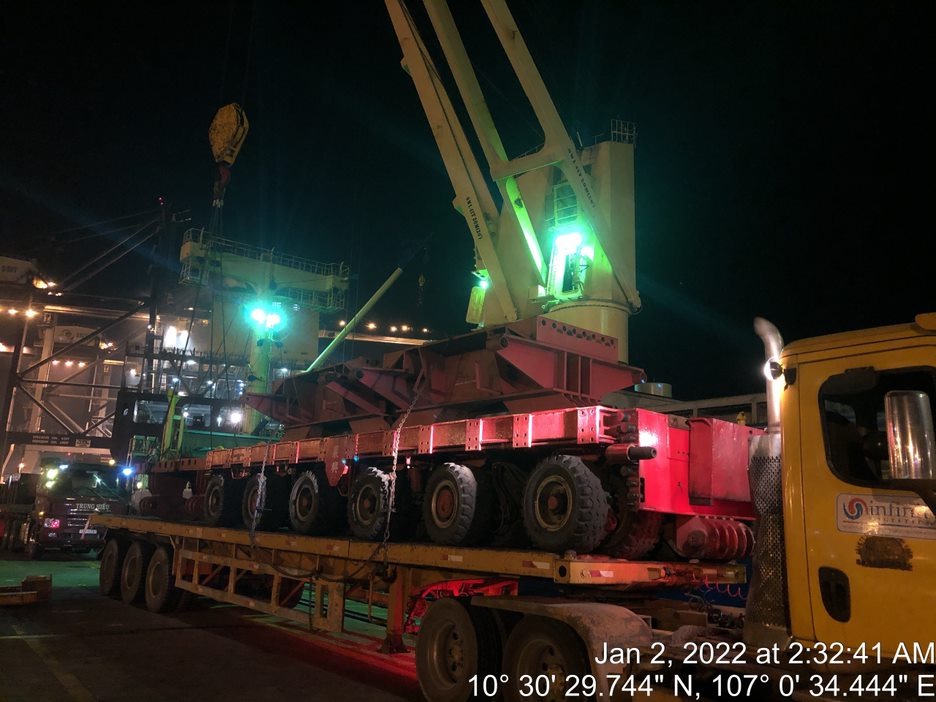
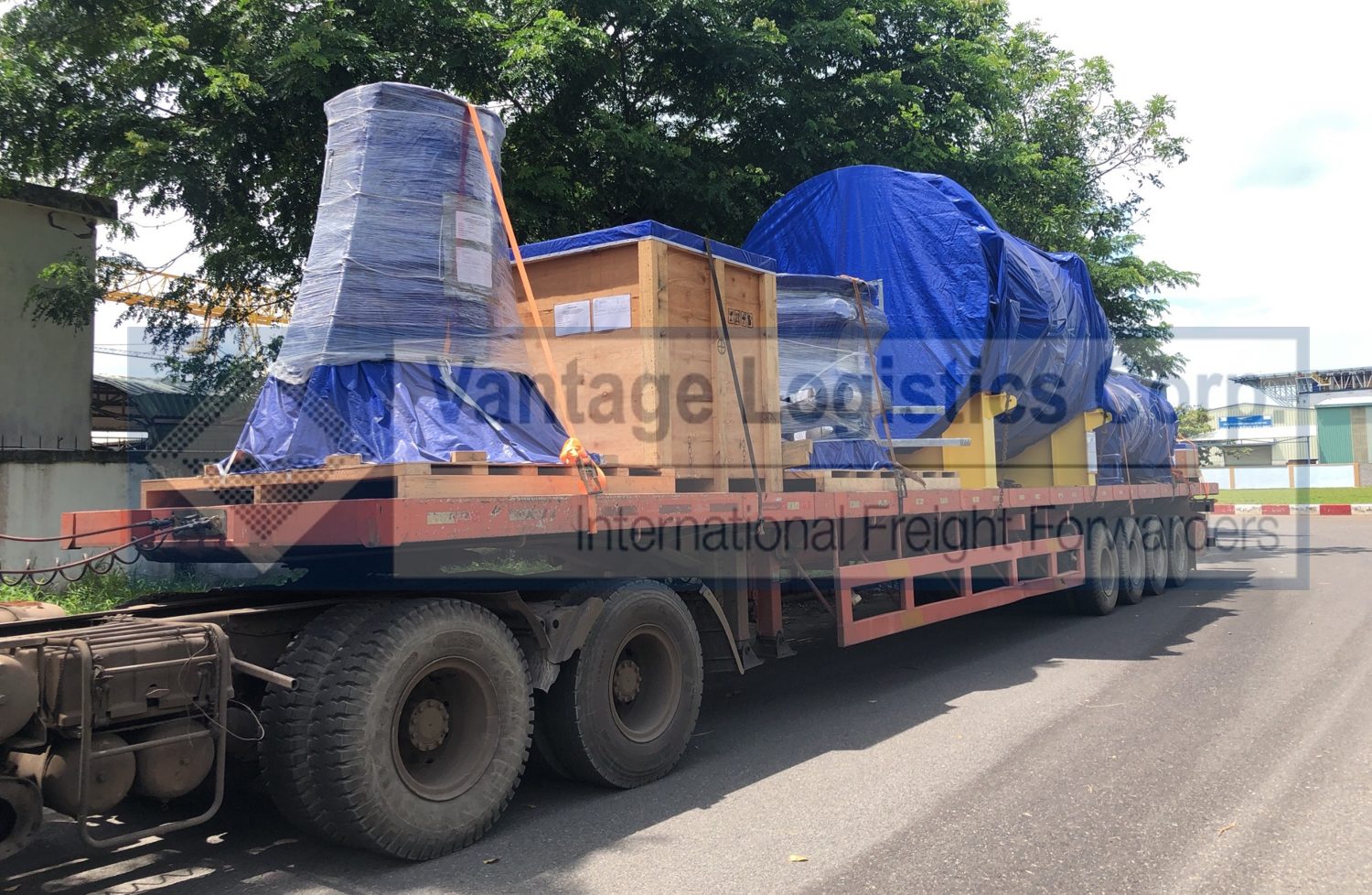
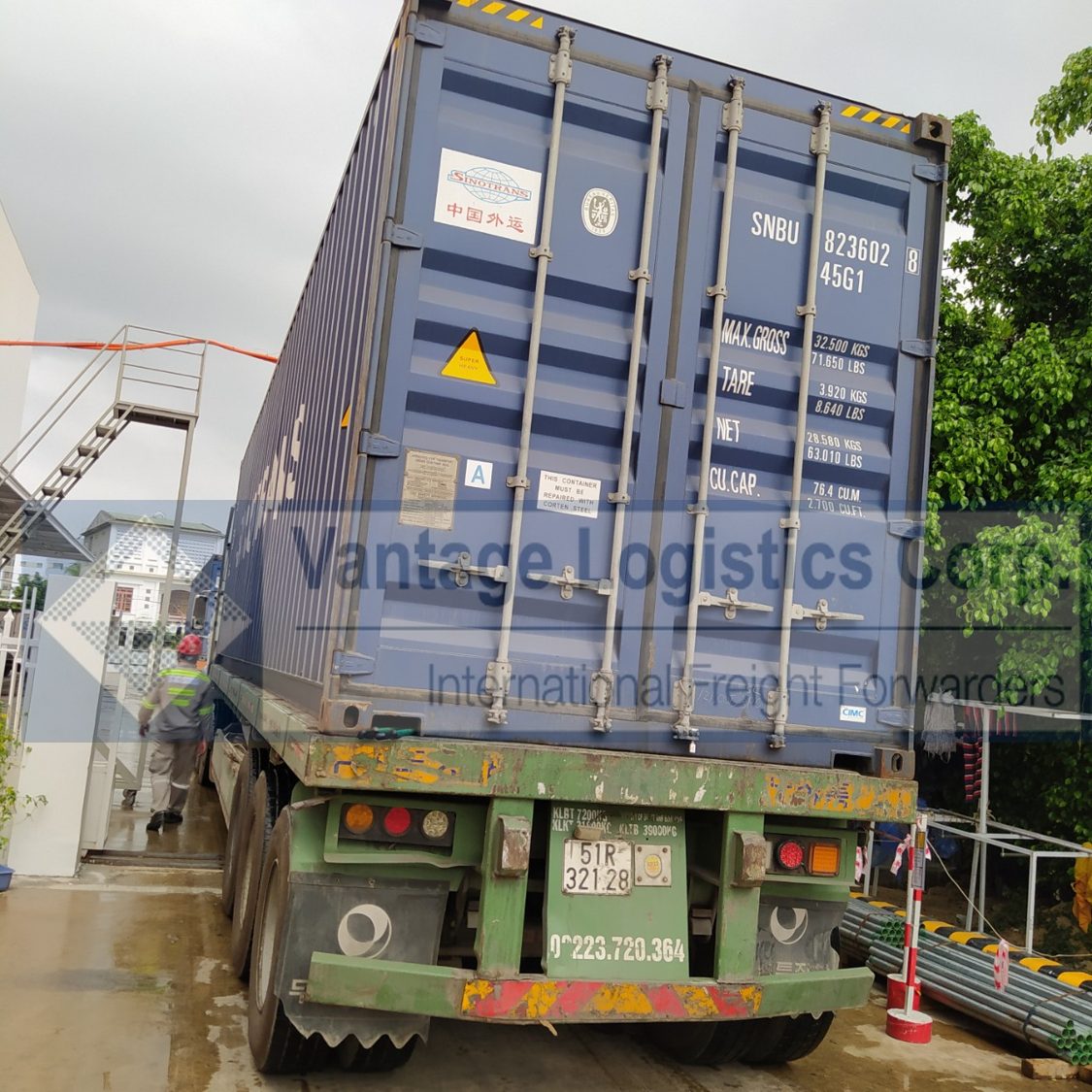
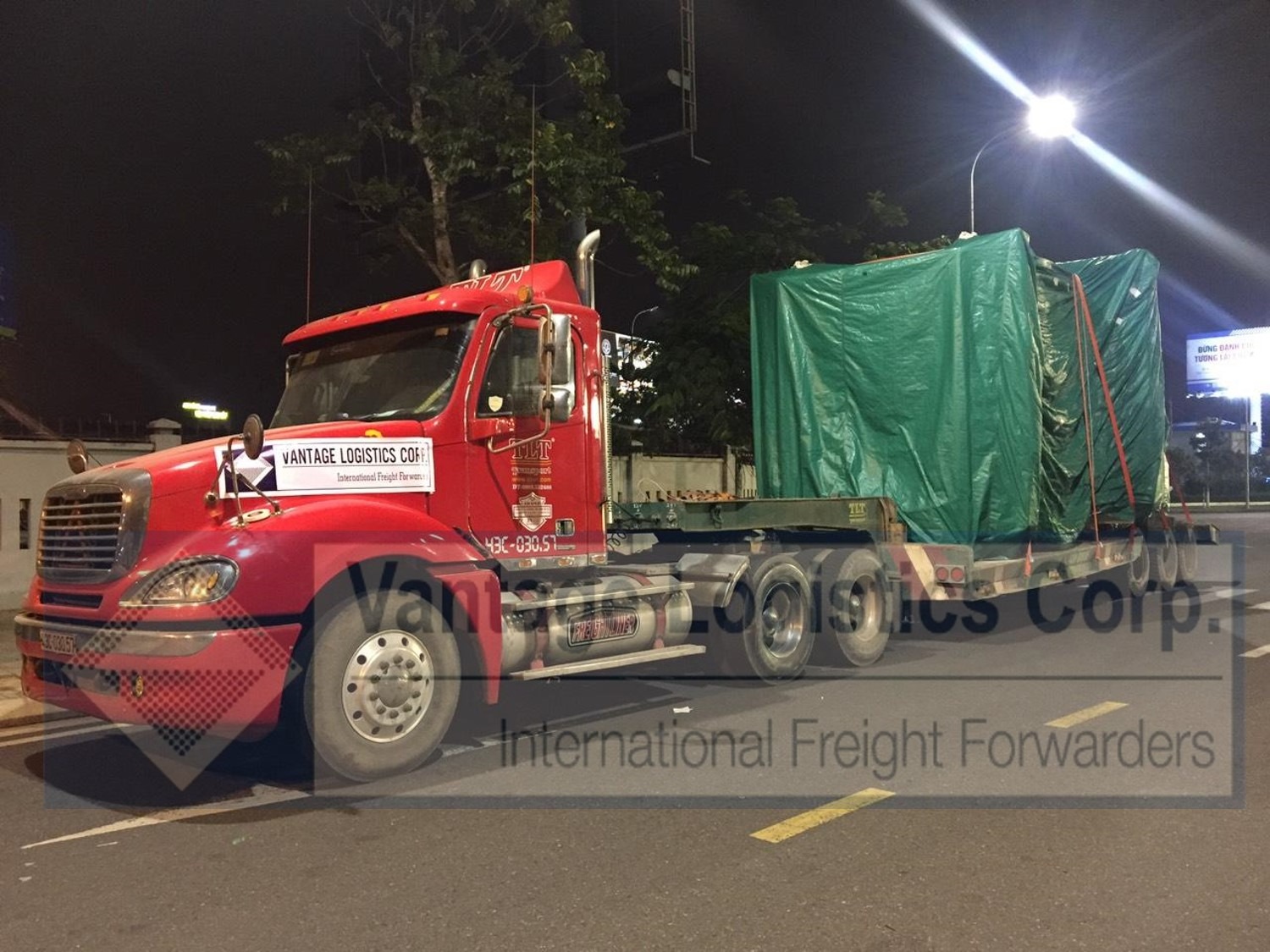
With extensive expertise in transporting oversized, overweight cargo and high-value equipment for energy and infrastructure projects, Vantage Logistics is a trusted partner for end-to-end project cargo management.
Vantage is honoured to support a wide range of high-profile projects across the globe, including: Block B–Ô Môn Gas Chain Project (Vietnam), Greater Changhua Offshore Wind Farm (Taiwan), Wind Turbine Tower Project (Germany), Qassim-Taiba Thermal Power Plant (Saudi Arabia), PJT Thermal Power Project (South Korea), Tram Than waste-to-energy plant (Phu Tho)…
By transporting complex logistics solutions for large-scale energy developments, Vantage Logistics plays an active role in advancing cleaner and more sustainable energy systems worldwide.
Vantage Logistics commits to reducing environmental impact and promoting green solutions.
With a strategic focus on supporting green and sustainable solutions, Vantage Logistics is not merely a logistics service provider but a dedicated partner in Vietnam’s emerging energy projects. We take pride in facilitating a green future – delivering the foundations for a cleaner planet through every project we support. Vantage Logistics – Equipment Transportation Partner for Waste-to-Energy Plants: Collaborating to Revive a Green Future
Waste-to-Energy – A Sustainable Solution for Urban Areas
Vietnam is facing mounting pressure from municipal solid waste, with an average of approximately 60,000 tonnes generated each day. In major urban centres, the volume is reaching alarming levels:
Ho Chi Minh City: ~10,000–13,000 tonnes/day
Hanoi: ~7,000 tonnes
Da Nang: ~1,100 tonnes
Hai Phong: ~700–800 tonnes
Can Tho: ~400 tonnes
This growing volume is placing tremendous pressure on waste treatment systems and landfill capacity, while posing serious threats to the environment and public health.

 简体中文
简体中文 Tiếng Việt